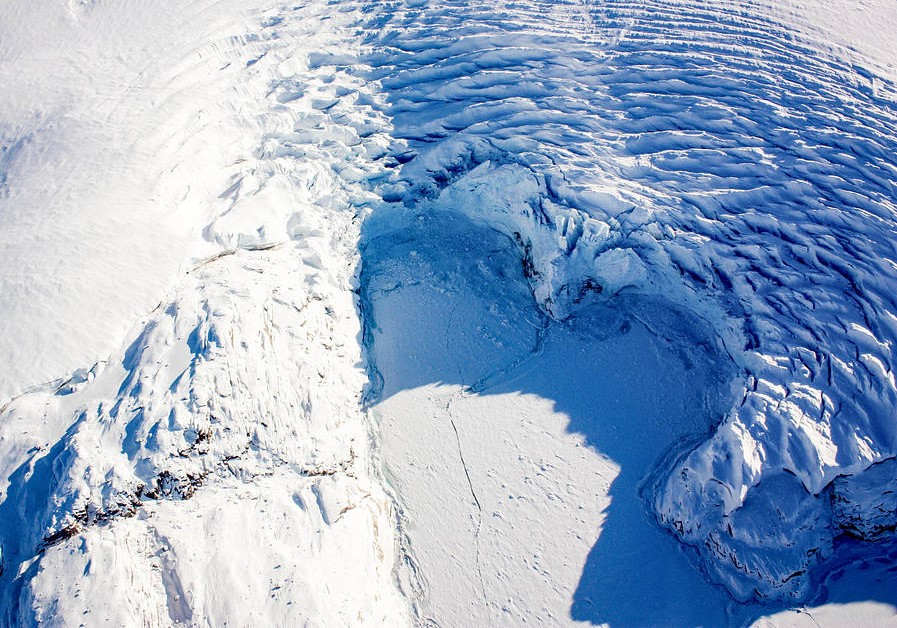
Clearest evidence yet of Polar Ice losses
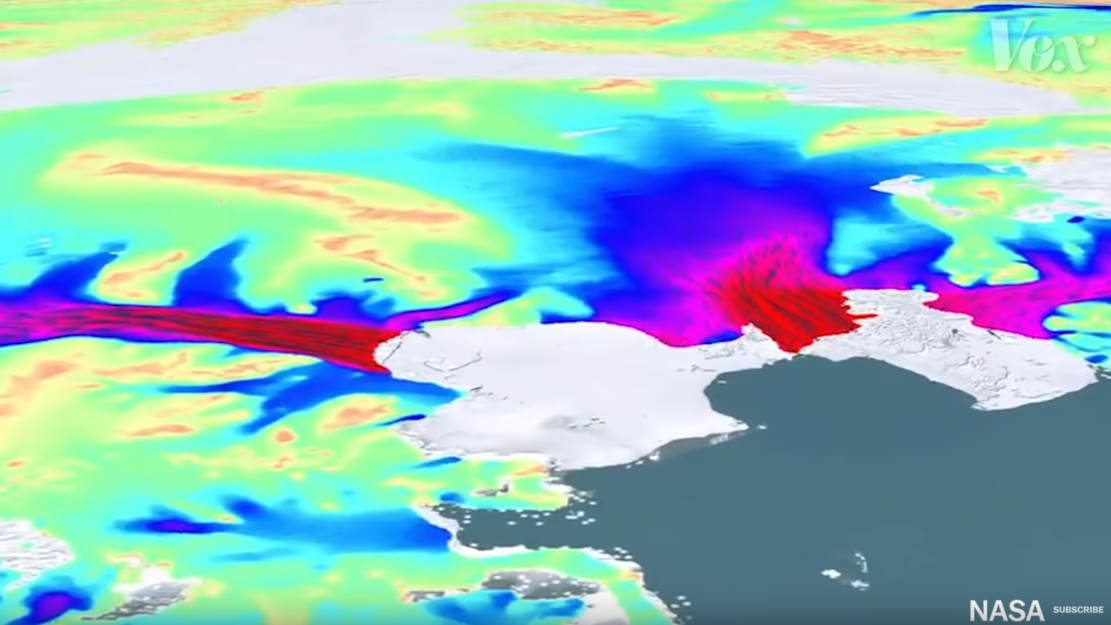
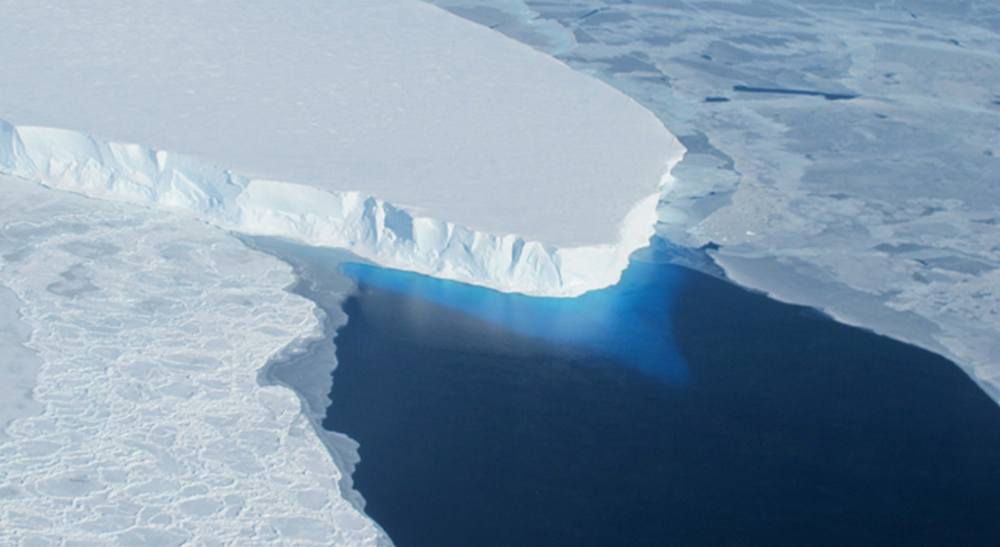
An international team of experts brought together by ESA and NASA has produced the most accurate assessment, with the clearest evidence yet of Polar ice losses, from Antarctica and Greenland. Image credit: Ian Joughin, University of Washington
McDonald Creek, Montana
The photo above, was captured along a fast-moving section of McDonald Creek, showing a lovely scene in Glacier National Park Montana. This is the longest stream within the park (approximately 25 mi or 40 km in length). Image credit: Rick May
Blood Falls in Antarctica
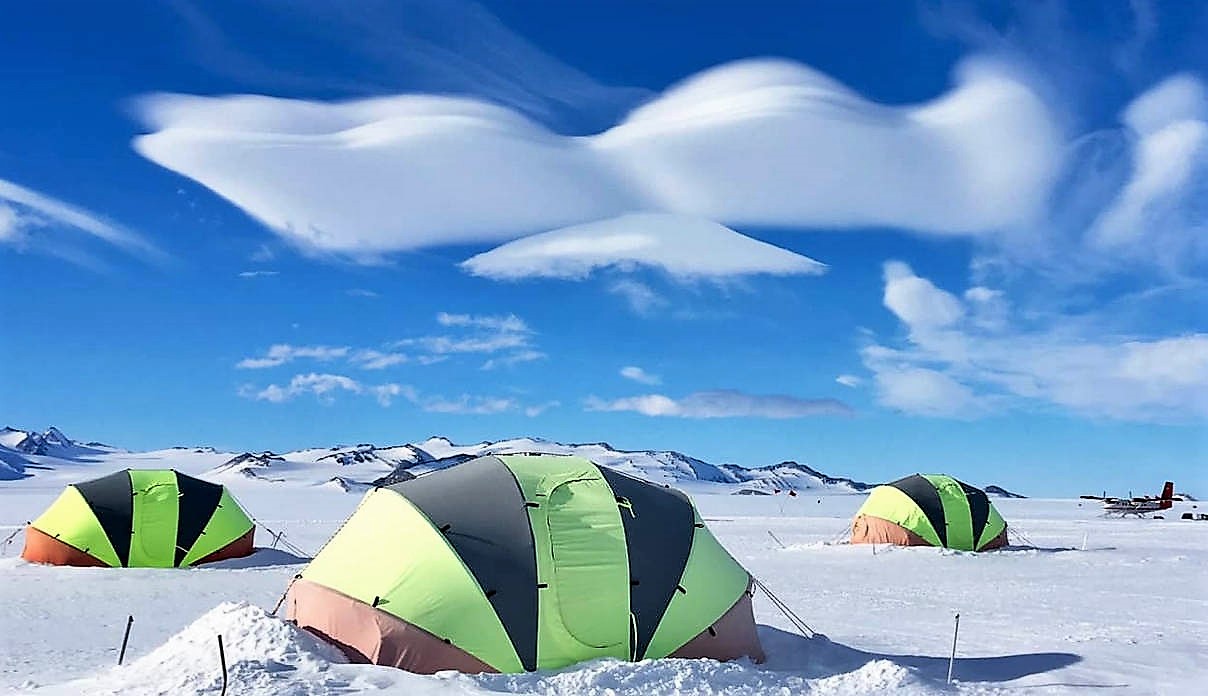
Blood Falls seeps from the end of the Taylor Glacier into Lake Bonney in the Antarctic. Scientists believe a buried saltwater reservoir is partly responsible for the discoloration, which is a form of reduced iron. The tent at left provides a sense of scale for just how big the phenomenon is. Photo by Peter Rejcek, courtesy of the National Science Foundation, Wikimedia Commons
Fedchenko Glacier
The Pamir Mountains in eastern Tajikistan, include some of the world’s highest peaks, soaring to heights of 7,300 meters (24,000 feet ). They are part of the “roof of the world”, home to thousands of glaciers. Among them is Fedchenko, which at 77 kilometers (47 miles) is the longest glacier outside of the Earth’s polar regions. NASA Earth Observatory image by Jesse Allen and Robert Simmon
Iceberg twice Manhattan’s size breaks off Greenland glacier
An iceberg, or ice island, twice the size of Manhattan has broken away from the Petermann Glacier in northern Greenland. Images from Moderate Resolution Imaging Spectroradiometer (MODIS) on NASA’s Aqua satellite show the island breaking off a tongue of ice that extends at the end of the glacier.
Glacier Bike Downhill
This is a raw, uncuted helmetcam video of race run, with original sound. 10th place out of 139 racers. Average speed 68kmh, top speed 124.9kmh. Rider: Andreas Tschanz
Greenland in White, Brown and Blue
In the image you can see a meltwater pond nestled amid the rock-and-ice covered fringe of Greenland. Most of the surface of Greenland is covered with fresh water—about 2.6 million cubic kilometers of it. Yet that water is frozen, locked up in ice and snow. NASA Photograph by Jim Yungel, NASA Wallops Flight Facility
Retreat of Alaska’s Columbia Glacier
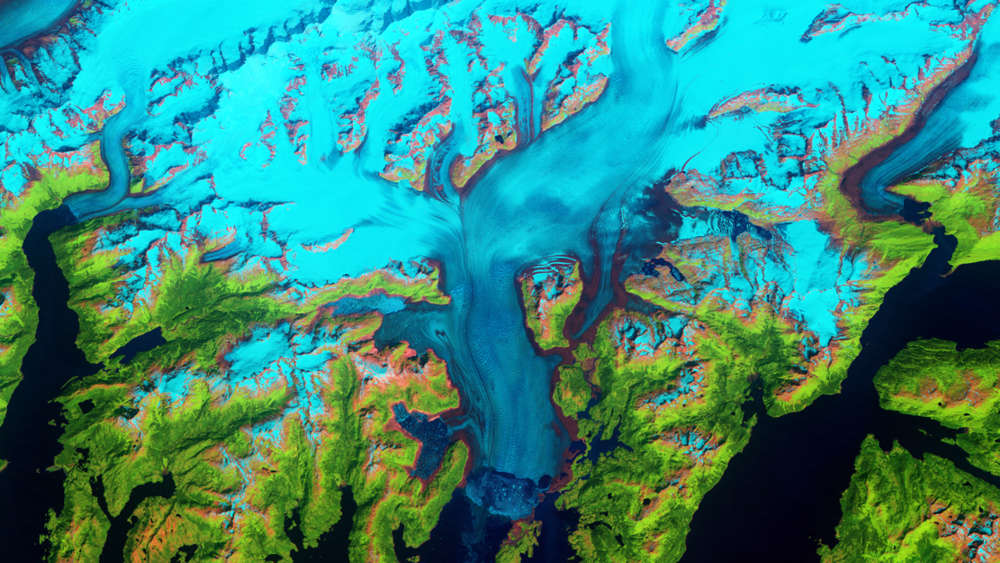
The Columbia Glacier descends from an ice field 3,050 meters (10,000 feet) above sea level, down the flanks of the Chugach Mountains, and into a narrow inlet that leads into Prince William Sound in southeastern Alaska. It is one of the most rapidly changing glaciers in the world.
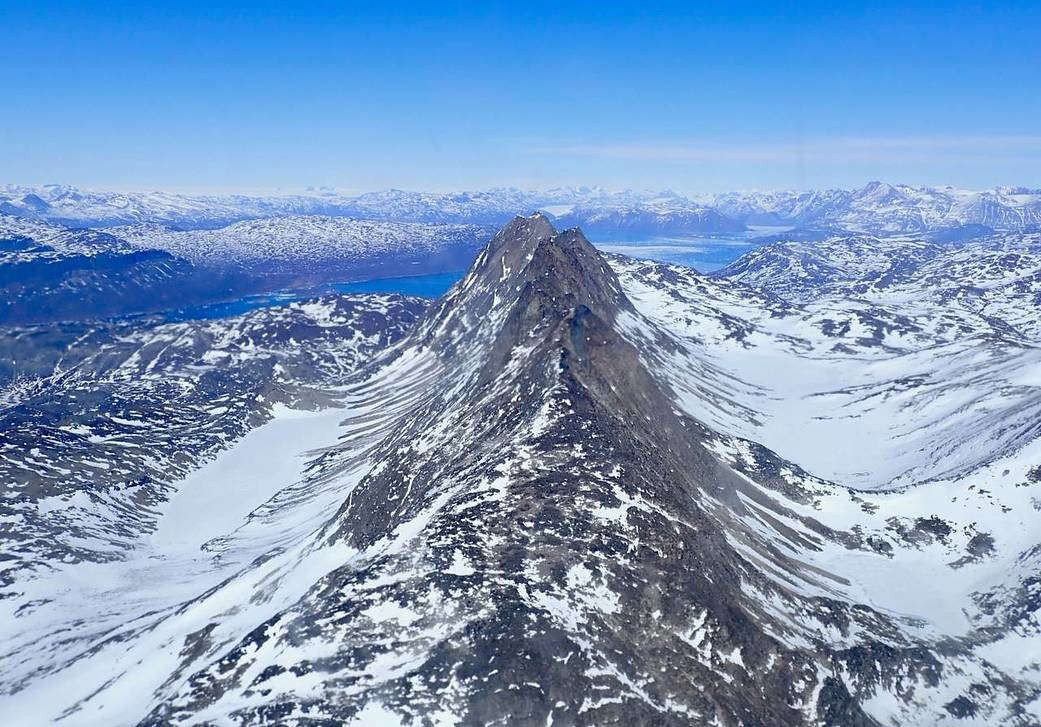
Morning Light Along Antarctica’s Gerlache Strait
The sailboat in the distance is dwarfed by cloud-shrouded peaks and glaciers lining Gerlache Strait, off Antarctica’s Antarctic Peninsula. Photographer: Ray Boren