There are about 300 million Habitable Planets in the Milky Way
Scientists using data from the Kepler space telescope, estimated that there could be as many as 300 million potentially habitable planets in our galaxy.


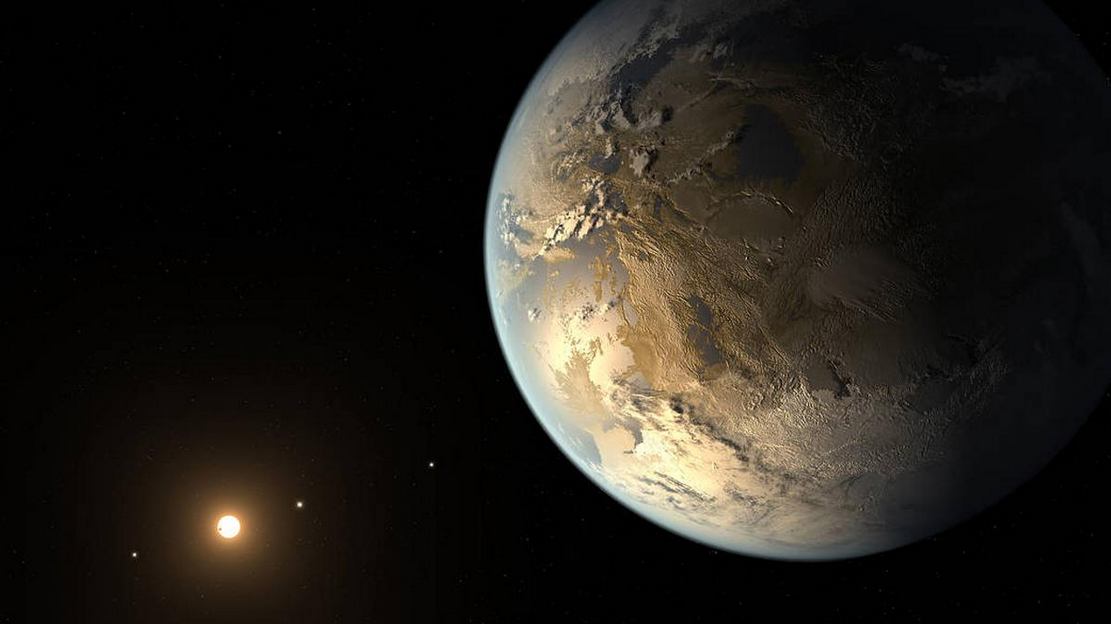
Scientists using data from the Kepler space telescope, estimated that there could be as many as 300 million potentially habitable planets in our galaxy.
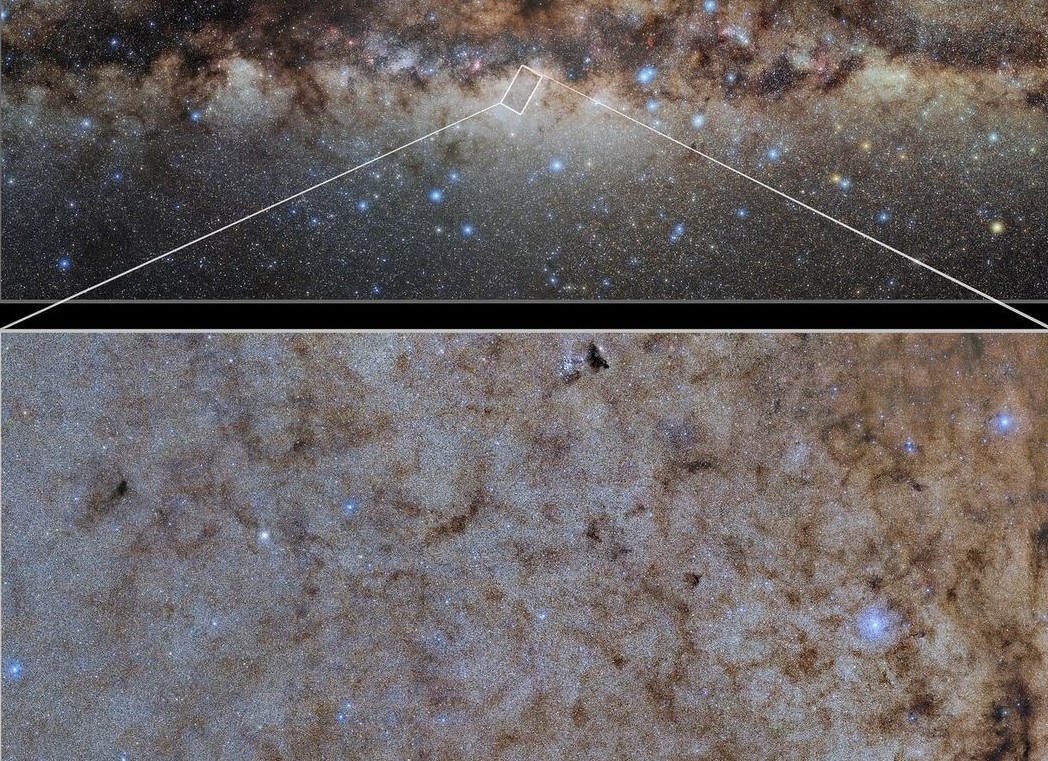
This video zooms into a view of the center of our Milky Way galaxy, and ends on a new photo obtained by the Dark Energy
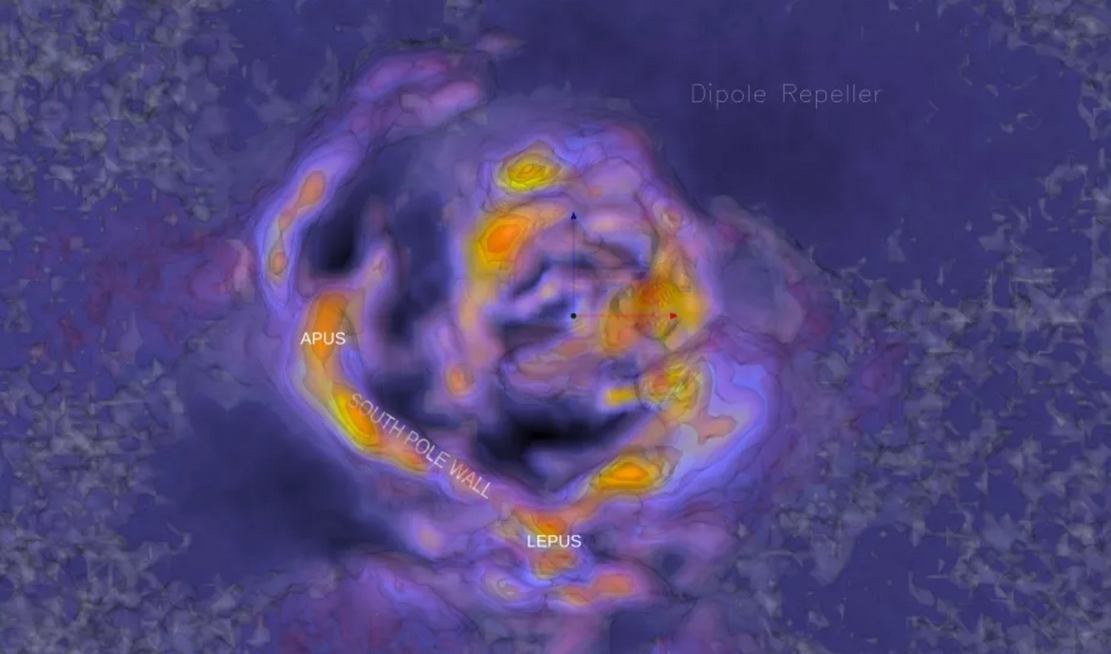
Astronomers discover South Pole Wall, an enormous cosmic structure stretching 700 million light-years of space across, containing hundreds of thousands of galaxies.
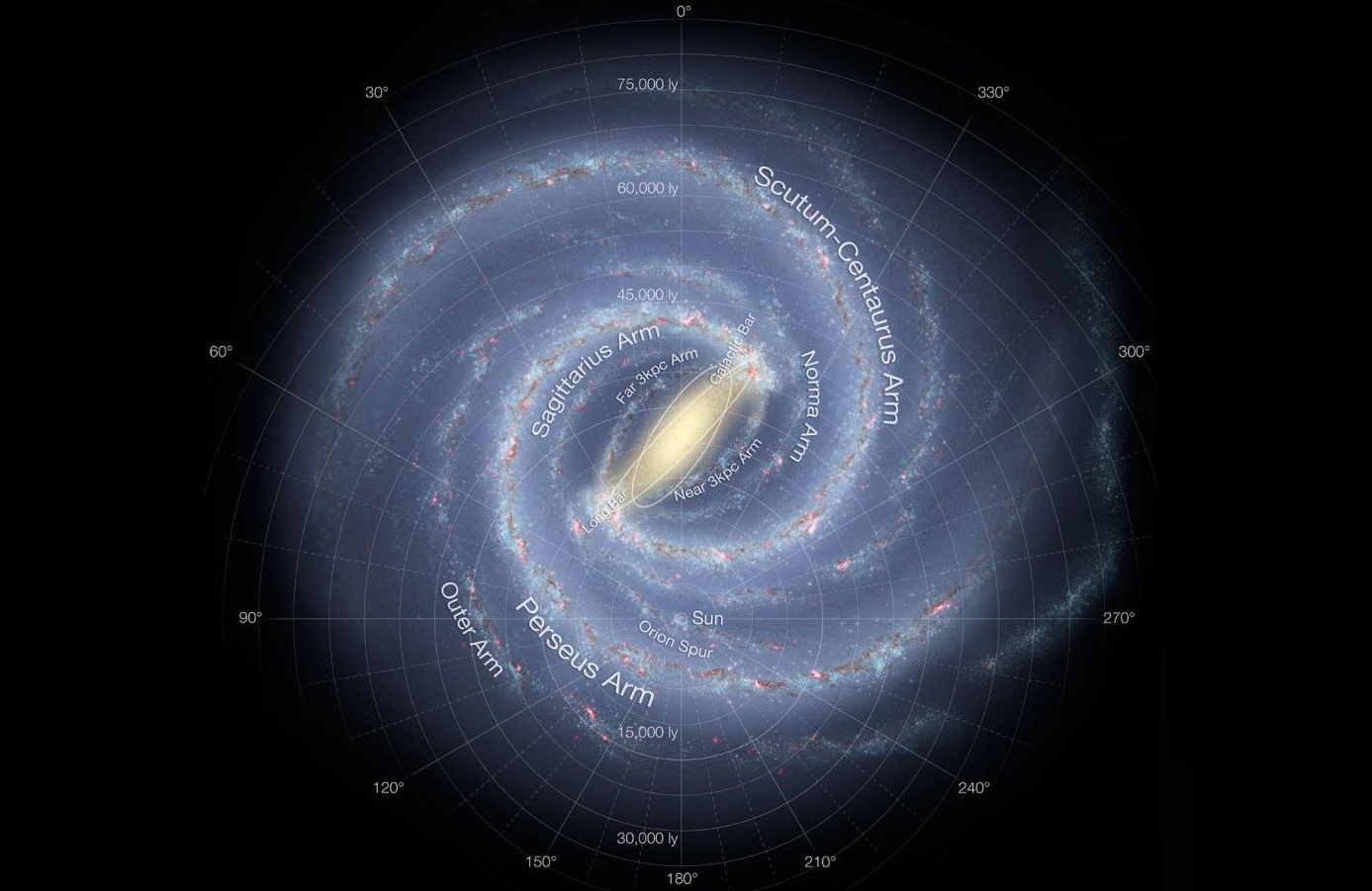
In this website you can calculate the number of alien civilizations in the Milky Way Galaxy.
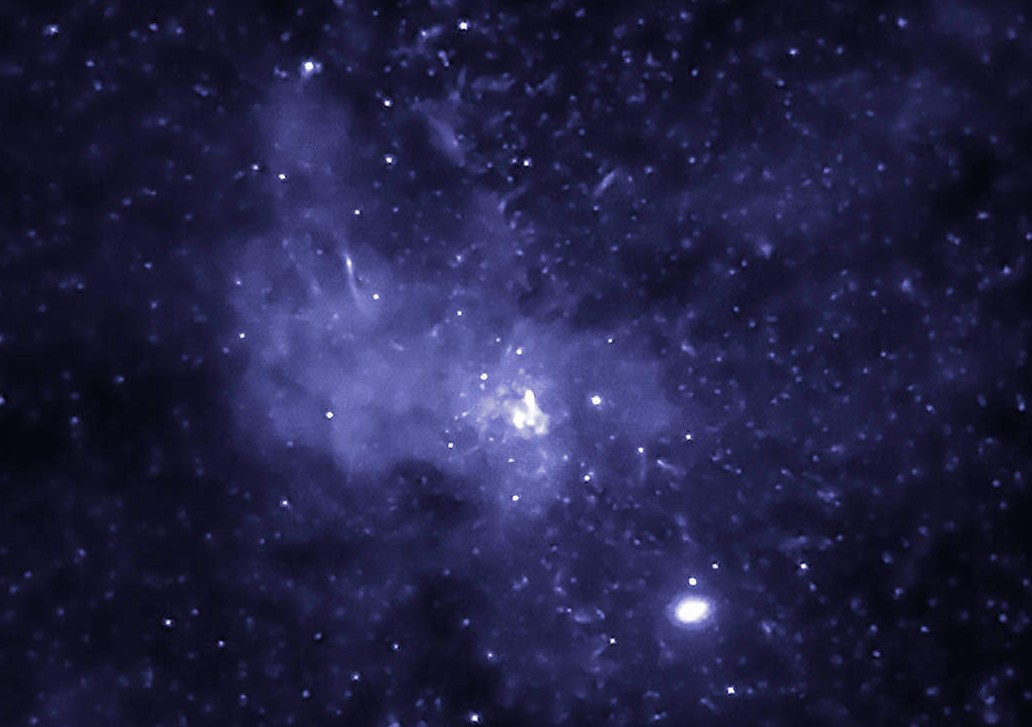
Astronomers have discovered evidence for thousands of black holes located near the center of our Milky Way galaxy.
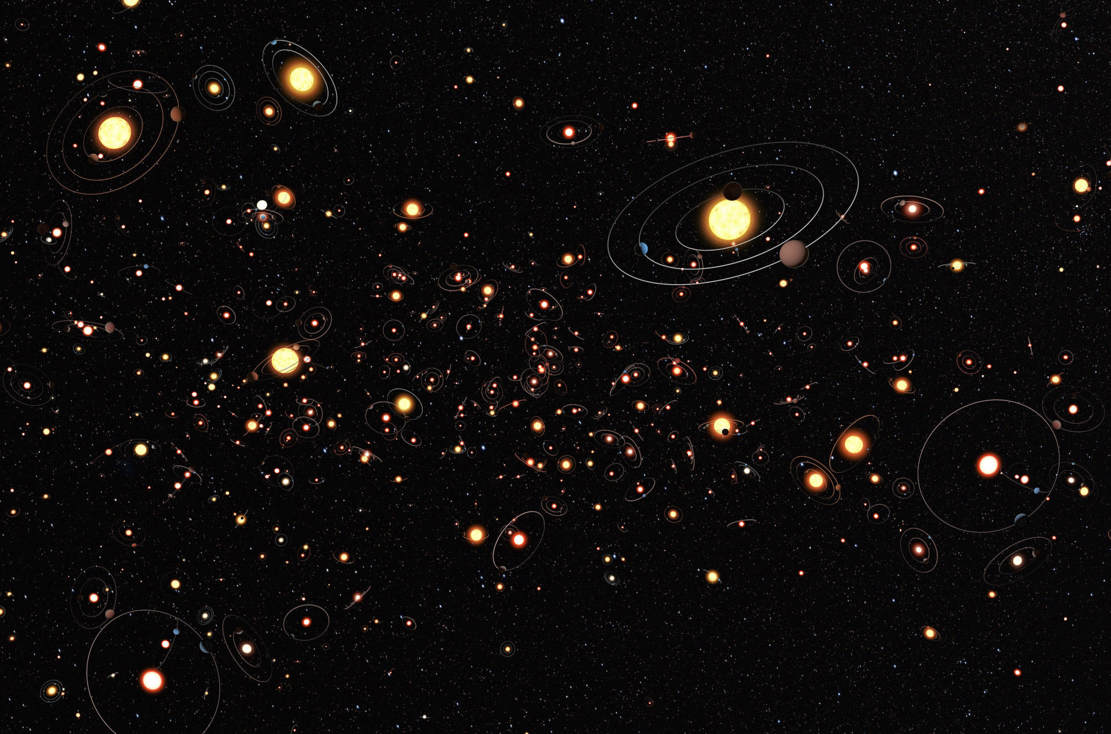
There could be as many as six billion Earth-like planets in the Milky Way Galaxy, according to new estimates.
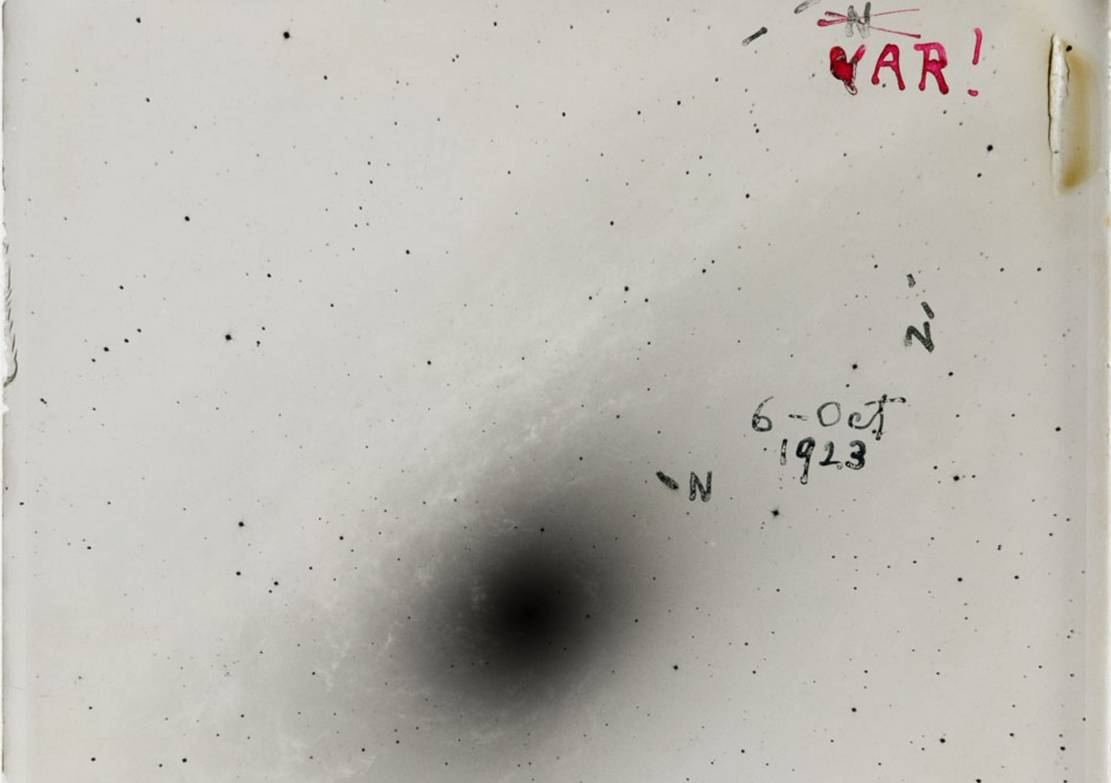
How big is our universe? This very question, among others, was debated by two leading astronomers 100 years ago today in what has become known
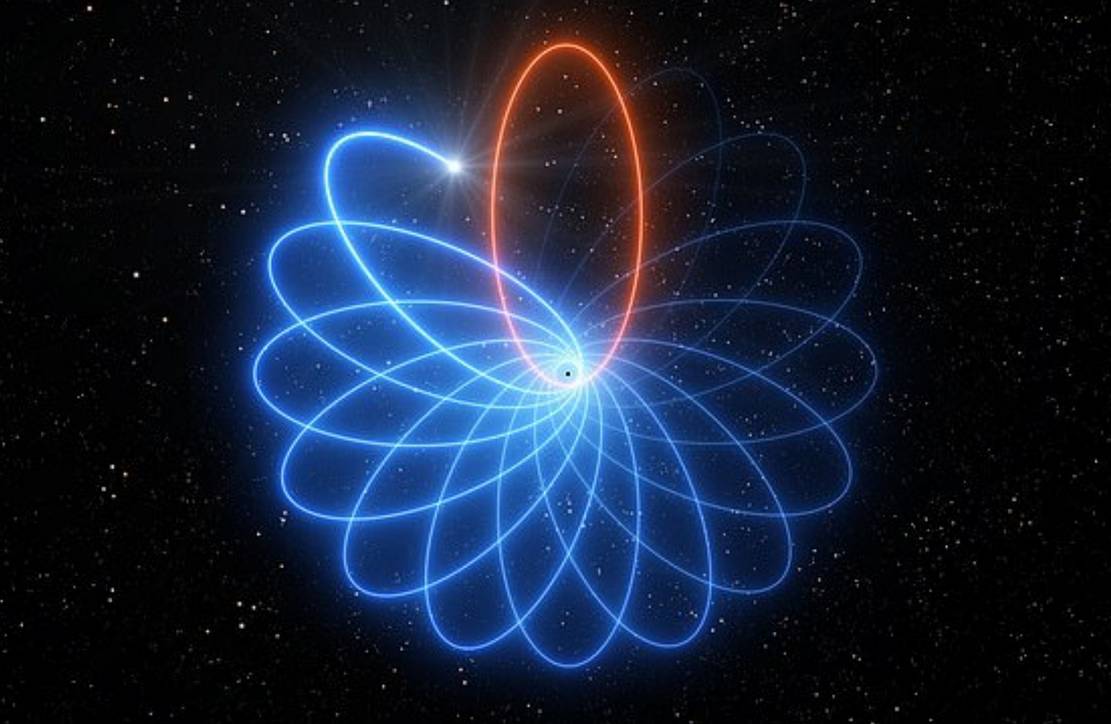
Star orbiting a supermassive black hole at the heart of the Milky Way, moves as predicted by Albert Einstein.
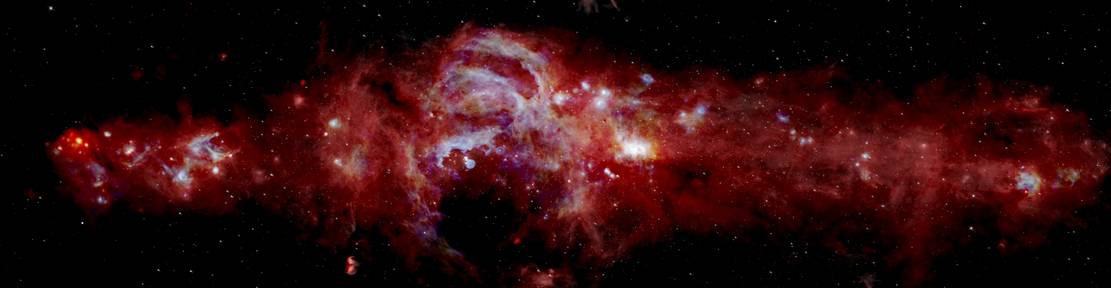
NASA’s flying telescope SOFIA captured a crisp infrared image of the center of our Milky Way galaxy.

Scientist designs ‘Caplan Thruster,’ a bizarre spacecraft to drag the entire solar system across the Milky Way!