Snoopy Aboard Artemis I
Snoopy, the zero-gravity indicator for NASA’s Artemis I flight test, floats in space, attached to his tether in the Orion spacecraft.


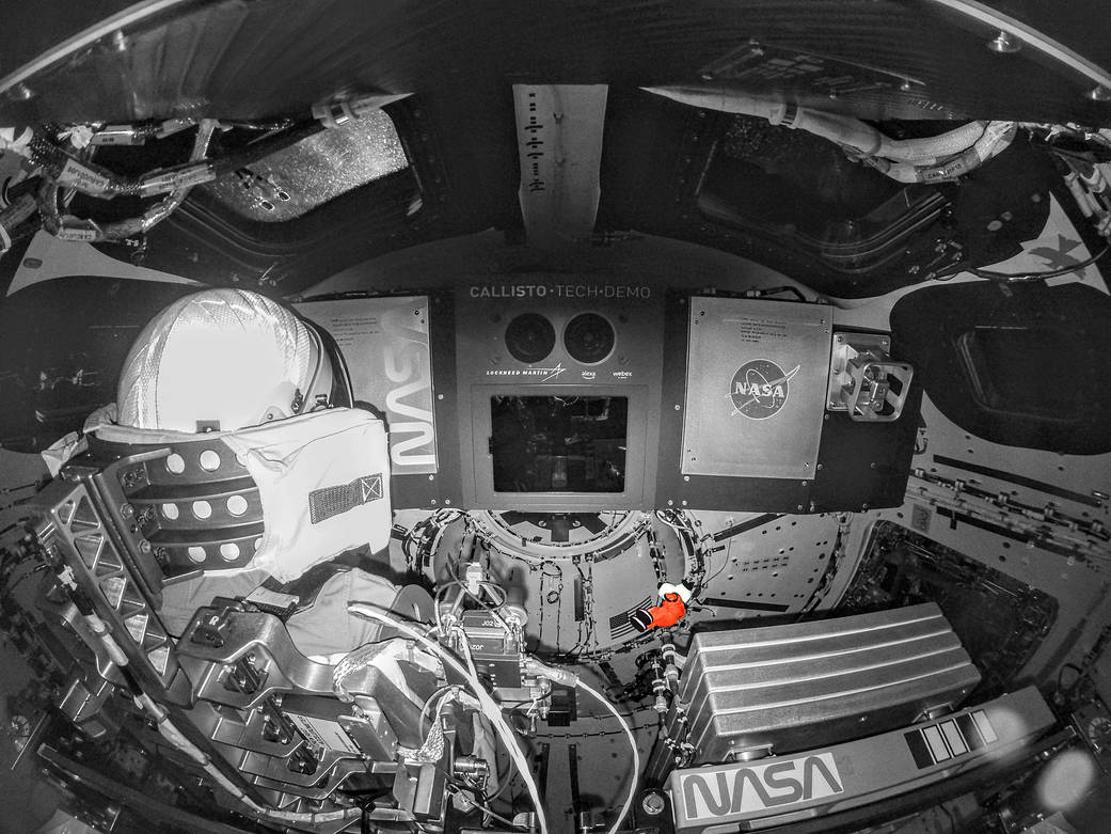
Snoopy, the zero-gravity indicator for NASA’s Artemis I flight test, floats in space, attached to his tether in the Orion spacecraft.
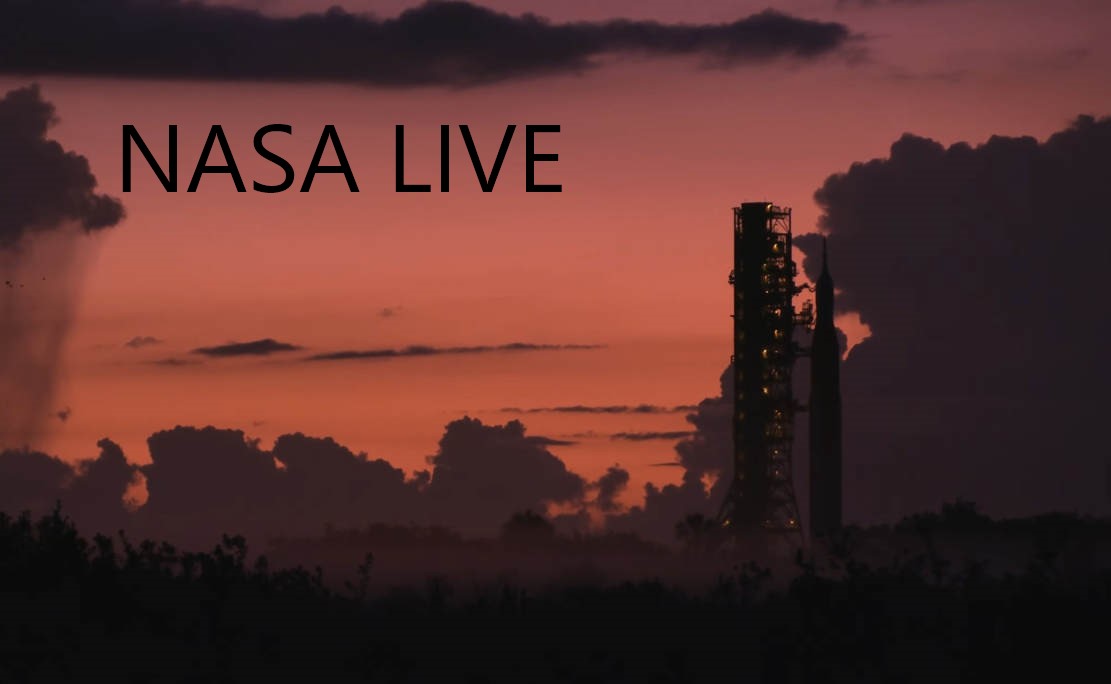
NASA postpones mega rocket Artemis 1 launch due to engine trouble. Stay tuned…
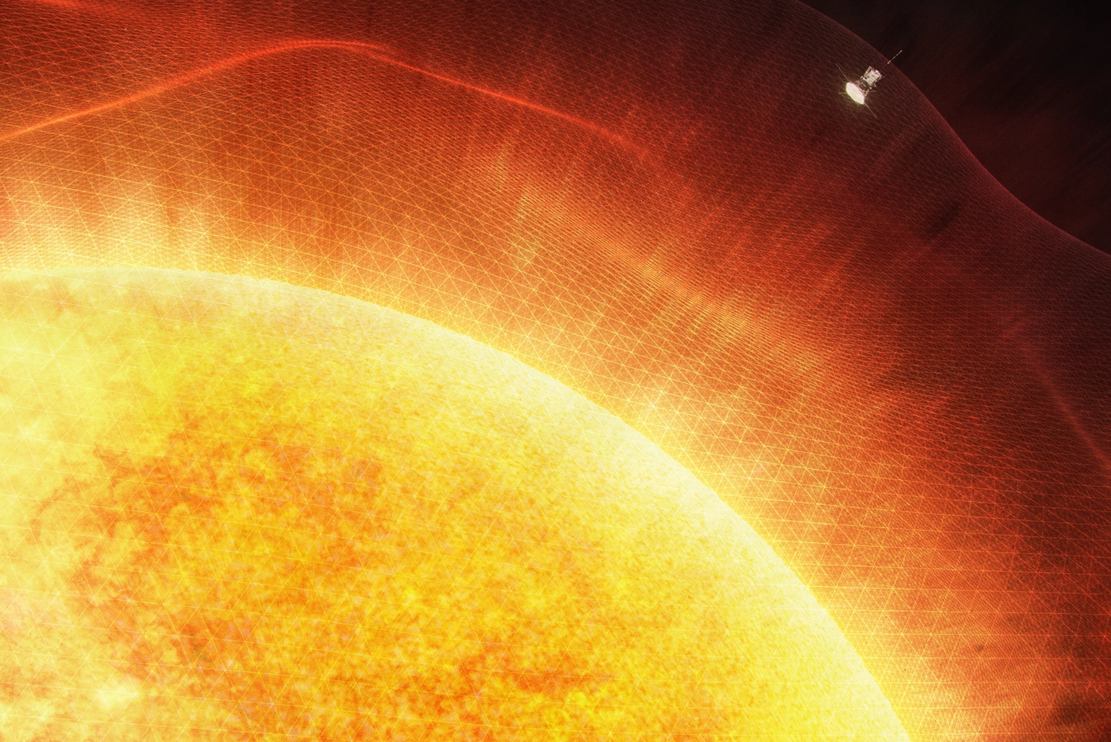
A major milestone and new results from NASA’s Parker Solar Probe were announced: For the first time in history, a spacecraft has touched the Sun.
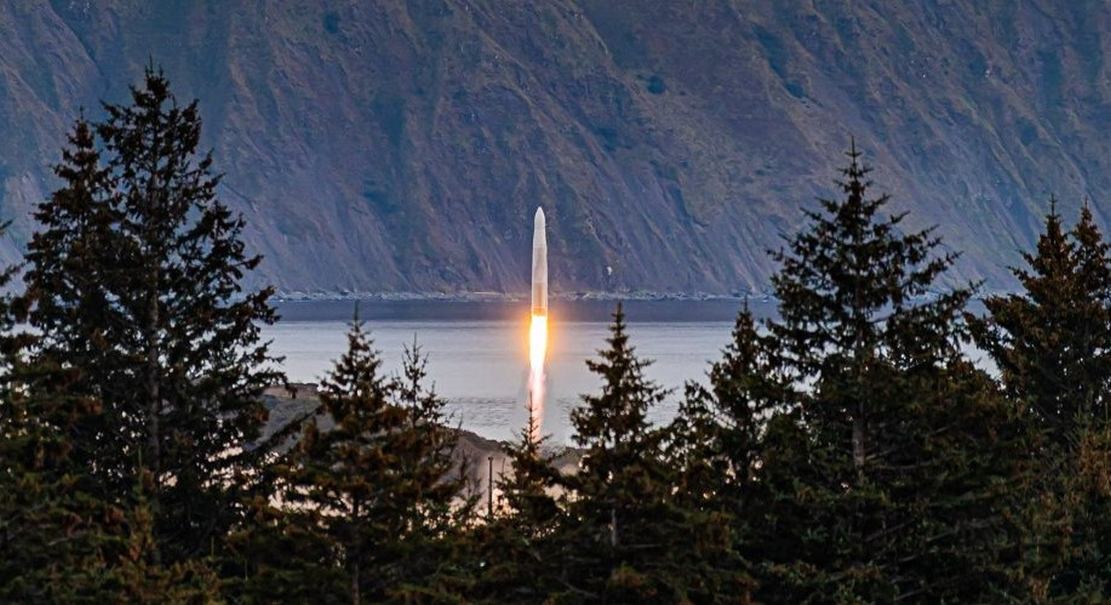
“Improve life on Earth from space.” Astra spacecraft successfully completed its first commercial orbital launch.
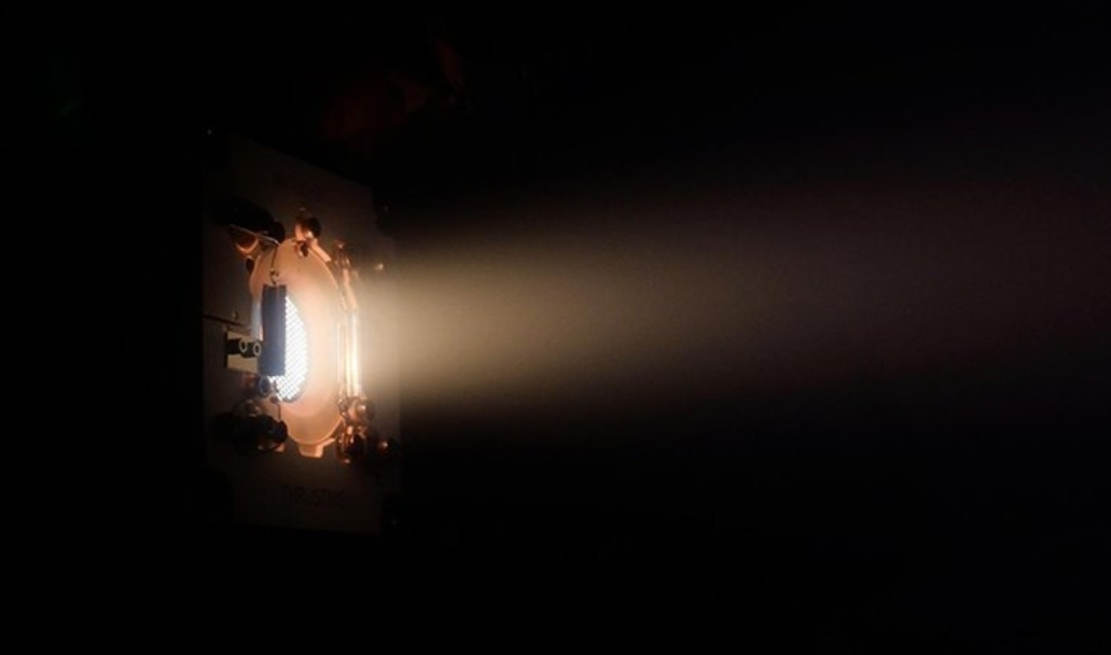
New revolutionary iodine electric propulsion system for spacecraft, tested in orbit for first time.
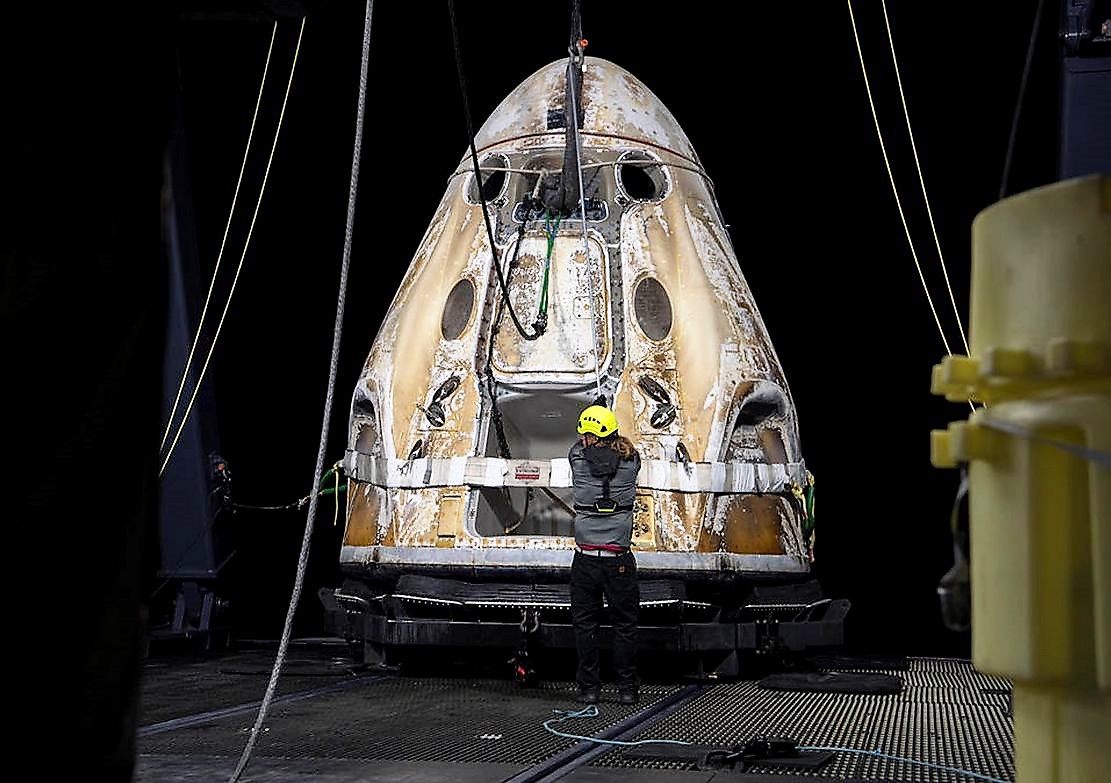
The SpaceX Crew Dragon Endeavour spacecraft is lifted onto the GO Navigator recovery ship after it landed in the Gulf of Mexico off the coast
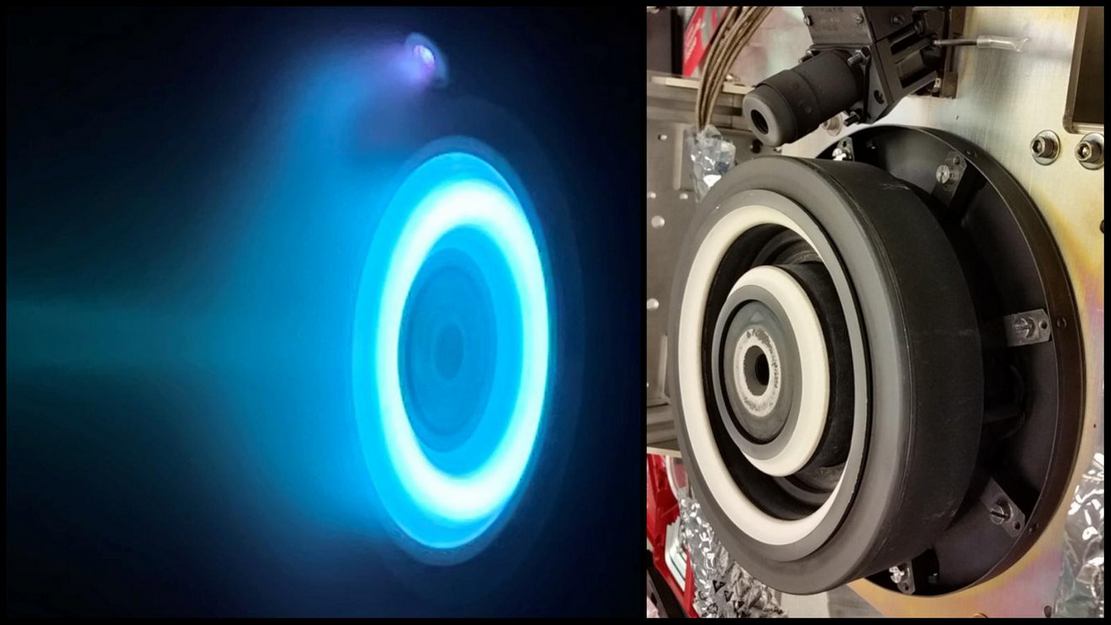
Solar Electric Propulsion, futuristic electric thrusters emitting a cool blue glow will guide the Psyche spacecraft through deep space to a metal-rich asteroid.
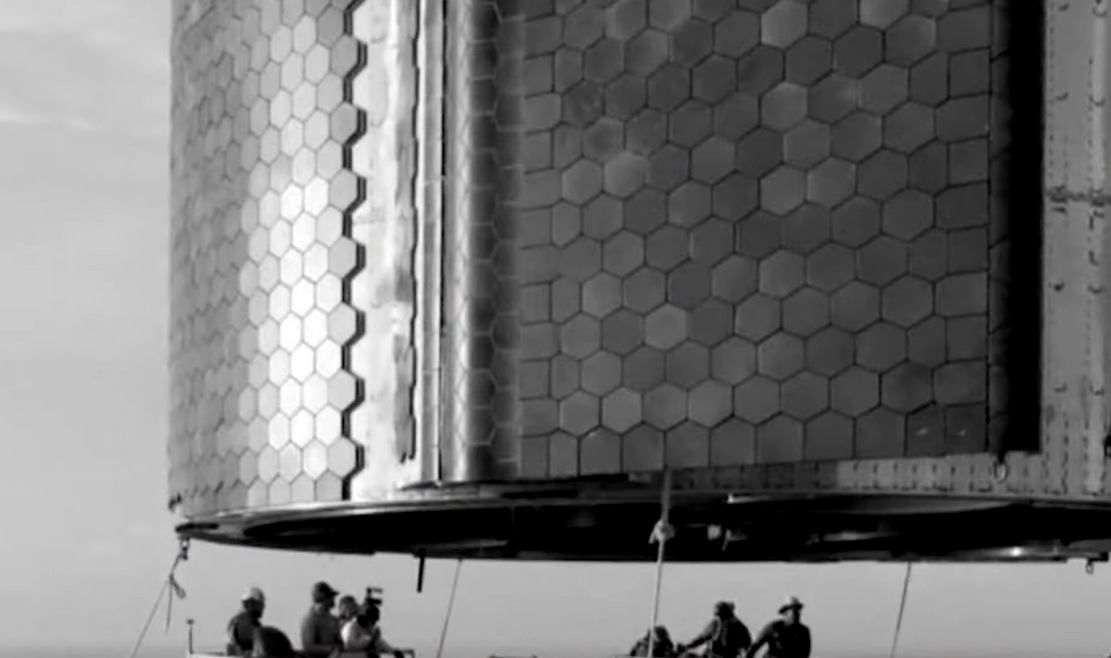
This how SpaceX designed a heat shield for the largest spacecraft ever built.
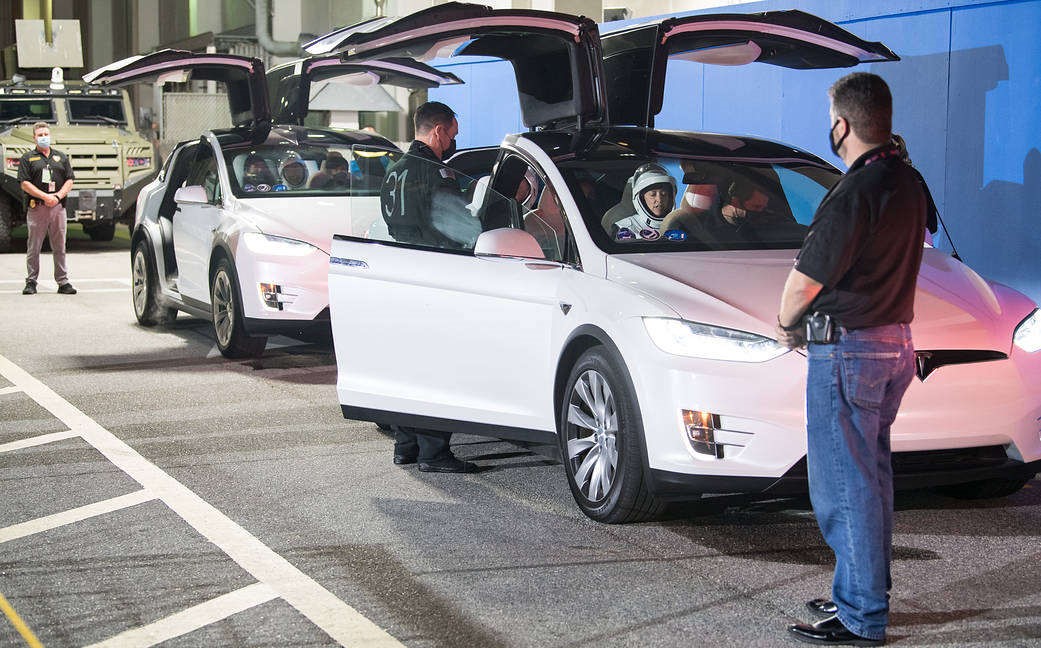
Crew-2 mission is the second operational mission of the SpaceX Crew Dragon spacecraft and Falcon 9 rocket with 4 astronauts, to the International Space Station.
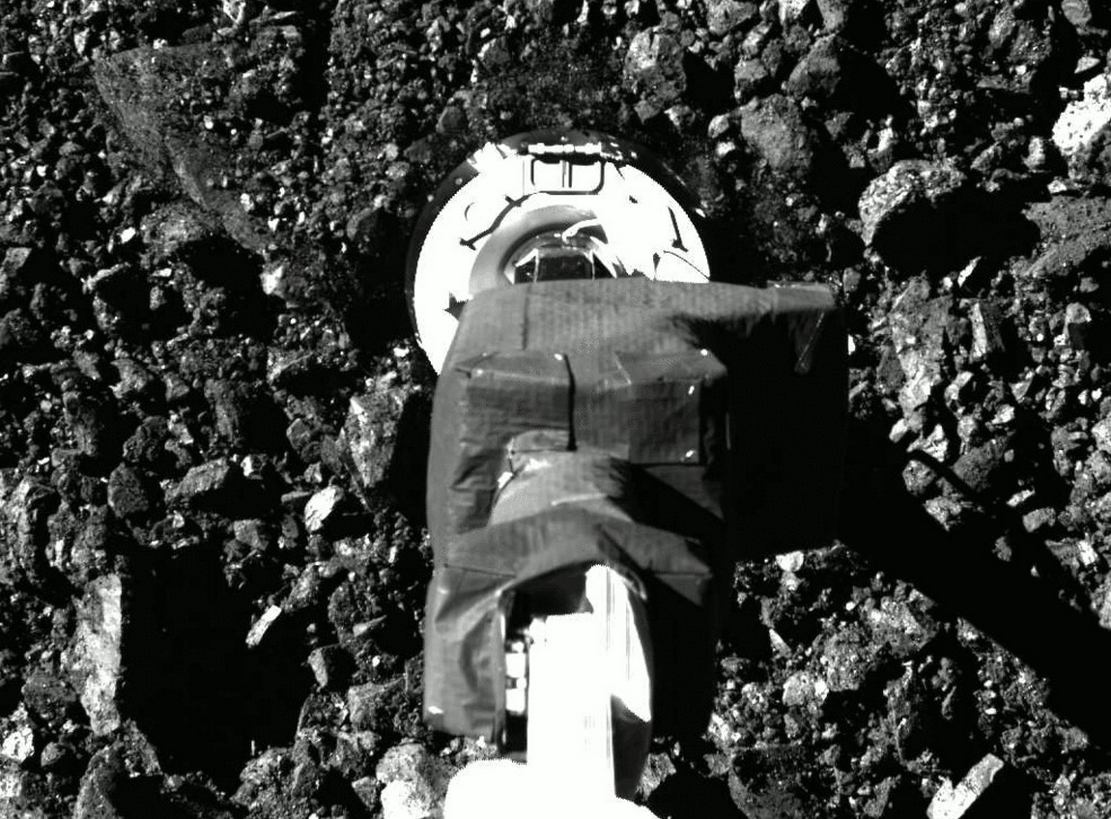
After a careful approach, the OSIRIS-REx spacecraft’s arm reached out and touched asteroid Bennu, on October 20,