


NASA’s Parker Solar Probe flew into the Sun‘s corona on December 24, 2024, coming within 3.8 million miles of the surface while traveling at 430,000 mph. Here’s what scientists discovered and why it matters.
On Christmas Eve 2024, a spacecraft about the size of a small car entered the Sun’s outer atmosphere. Protected by a heat shield that endured temperatures up to 2,500°F, it became the fastest human-made object ever built and returned valuable data that is changing our understanding of the Sun. This remarkable mission involved years of engineering, including a tense 36-hour period with no communication as the probe made its closest approach.
Why it matters:
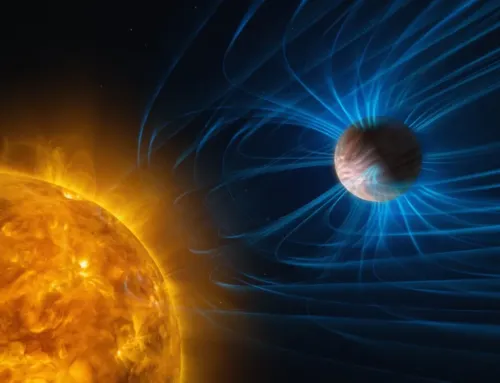
The Sun drives space weather that can affect satellites, GPS systems, communications networks, and power grids on Earth. By studying the corona up close, Parker Solar Probe is helping scientists better understand how the solar wind forms, why the corona is much hotter than the Sun’s surface, and how powerful solar storms develop. This could improve space-weather forecasting and help protect technology, astronauts, and critical infrastructure both on Earth and in space.



Leave A Comment