The beginning of the universe, for beginners
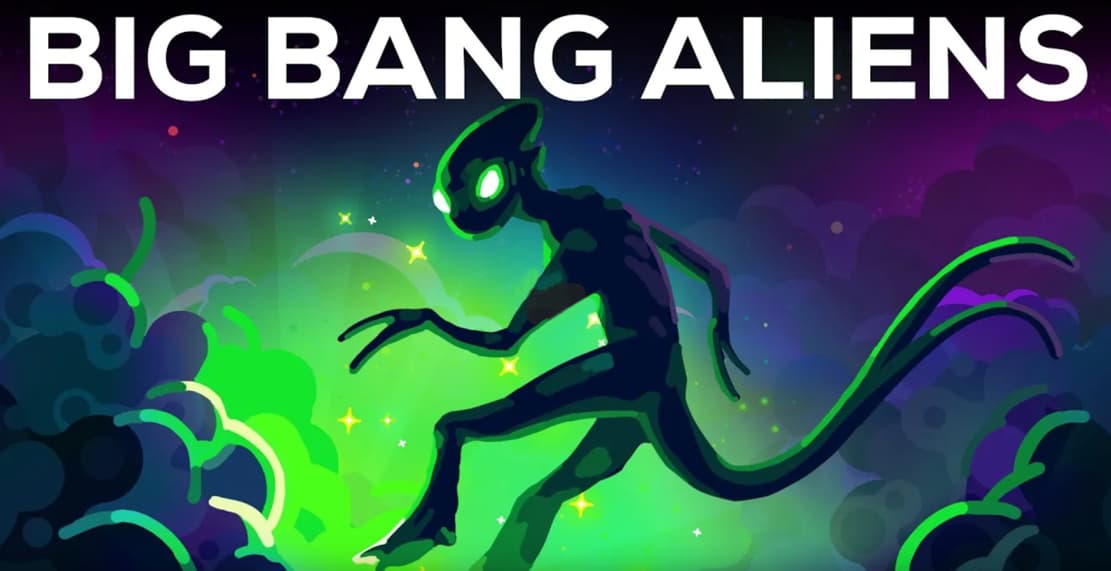
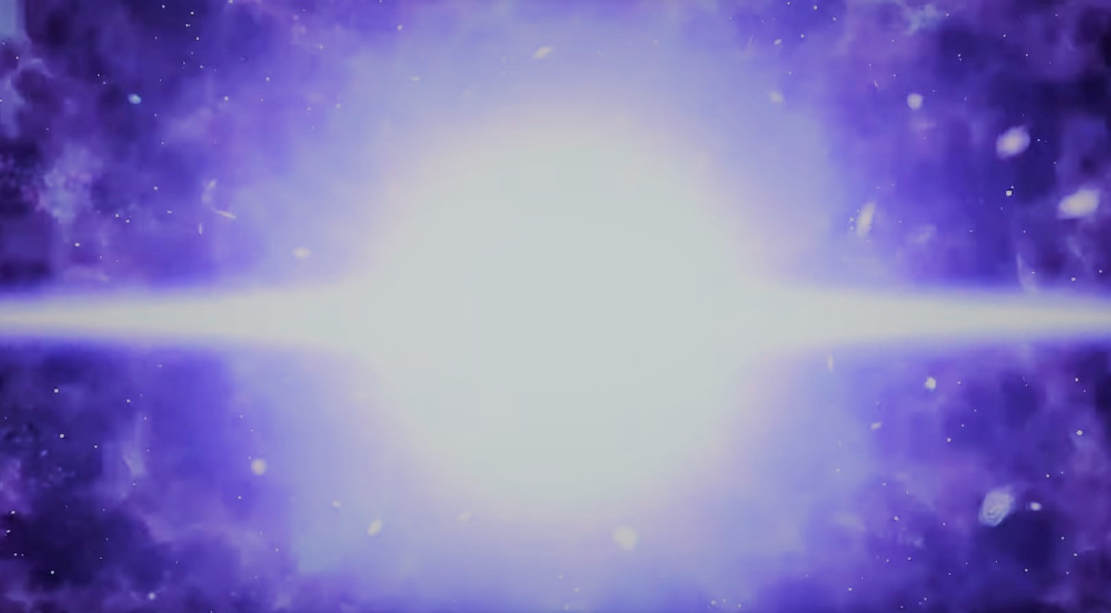
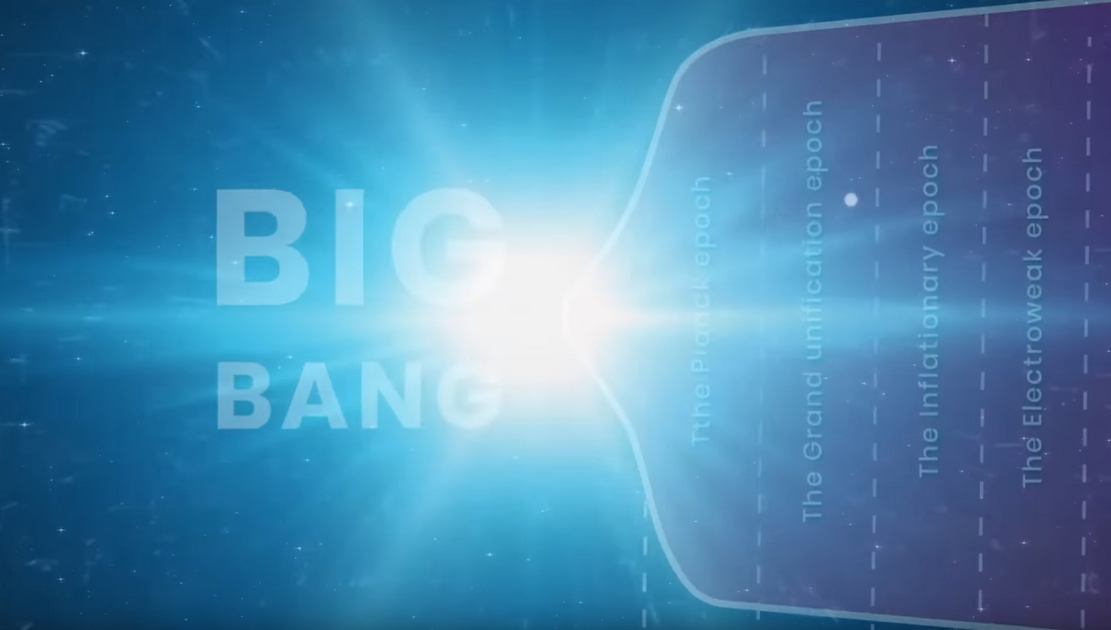
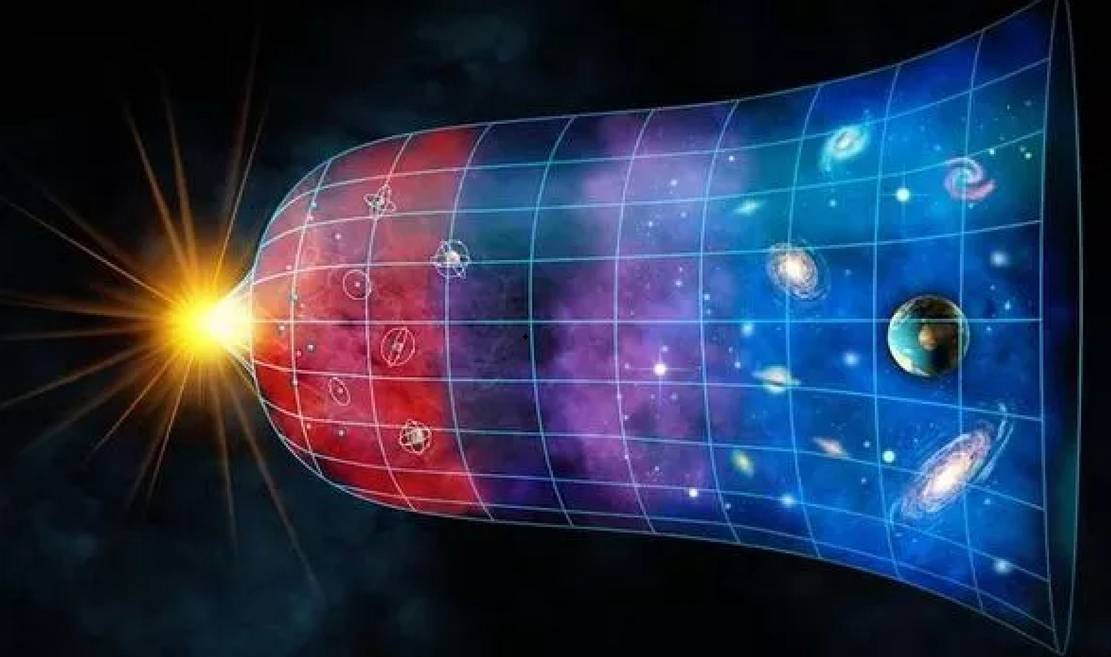
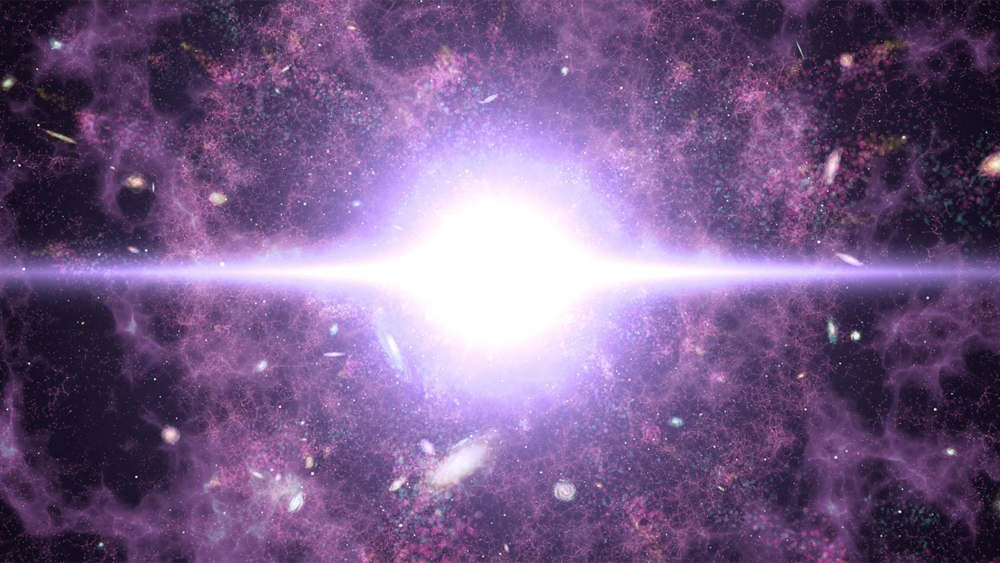
In this video CERN physicist Tom Whyntie explains ‘how did the universe begin and how is it expanding.’ He shows how cosmologists and particle physicists understand the Big Bang, by replicating the heat, energy, and activity of the first few seconds of our universe. Watch the video…
Most Detailed Map ever of our Universe
This image of our Universe acquired by ESA’s Planck space telescope, was just released revealing the existence of features that challenge the foundations of our current understanding of the Universe. Is the most detailed map ever created of the cosmic microwave background, the relic radiation from the Big Bang.
Earliest Views yet of the Universe by Hubble
These are the Earliest Views yet of the Universe by Hubble Space Telescope. Astronomers found a group of very young galaxies that formed when the universe was just 3 percent of its age. Image credit: NASA, ESA, R. Ellis (Caltech), and the UDF 2012 Team
Read more 
Most distant object in the Universe
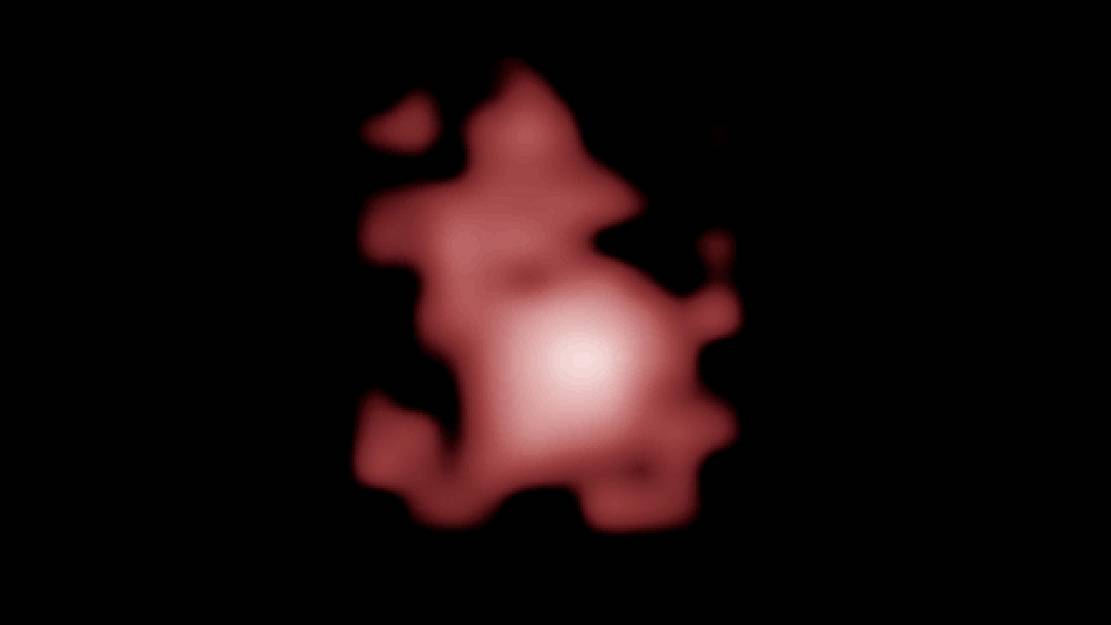
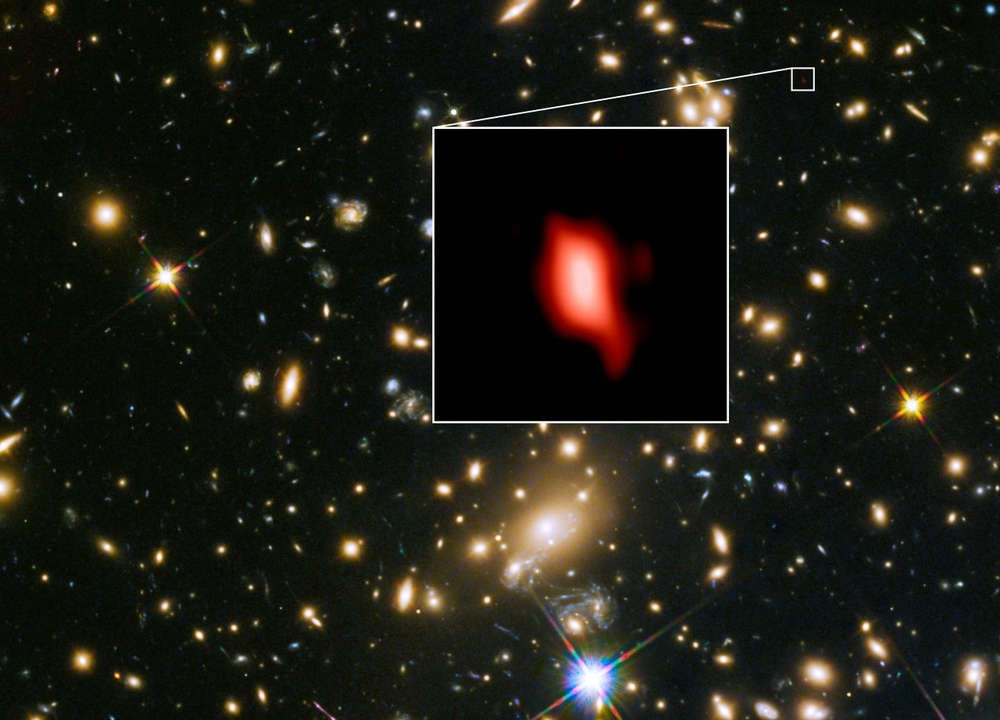
The newly discovered galaxy is the Most distant object in the Universe. Named MACS0647-JD, we see it as it was 420 million years after the Big Bang. Watch the impressive video…
Our Story in 1 minute [video]
Our Story in 1 Minute: from the Big Bang to the birth of the Moon, from dinosaurs to the first mammals to the rise and fall of numerous civilizations. This impressive 90sec new video by melodysheep, is tracing the cosmic and biological origins of our species. Watch the video…
The Universe may have been Born Spinning
Physicists and astronomers have long believed that the universe has mirror symmetry, like a basketball. But recent findings from the University of Michigan suggest that the shape of the Big Bang might be more complicated than previously thought, and that the early universe spun on an axis.
Most Distant Quasar found
A team of European astronomers has used ESO’s Very Large Telescope (VLT) and a host of other telescopes to discover and study the most distant quasar found to date. This brilliant beacon, powered by a black hole with a mass two billion times that of the Sun, is by far the brightest object yet discovered in the early Universe. The results will appear in the 30 June 2011 issue of the journal Nature.
Why Big Bang produced more matter than antimatter
Scientists of the MINOS experiment at the Department of Energy’s Fermi National Accelerator Laboratory announced today (June 24) the results from a search for a rare phenomenon, the transformation of muon neutrinos into electron neutrinos. This could be the reason why the big bang produced more matter than antimatter, leading to the existence of the universe.
James Webb Space Telescope technician
This is the James Webb Space Telescope at Marshall Space Flight Center in Alabama, and the face of project scientist Mark Clampin is reflected in the flight mirrors. The successor to the Hubble Space Telescope, JWST is due to launch in 2014.
Read more 
Black Holes from the Dawn of the Universe
The “Dark Ages” of the universe started about 400,000 years after the big bang, after matter cooled down enough for neutral atoms to form.
Read more