sun

The Moon and Sun from space

June 15, 2013

The Moon and Sun from space

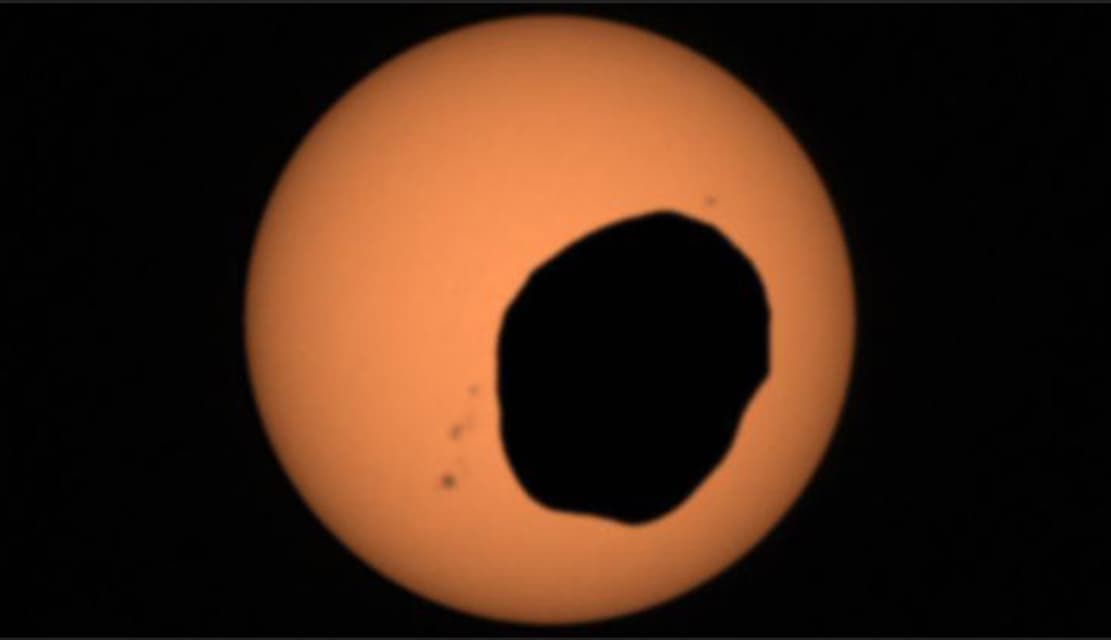
NASA’s Solar Dynamics Observatory, two or three times a year, observes the moon traveling across the sun, blocking its view. While this obscures solar observations for a short while, it offers the chance for an interesting view of the shadow of the moon.    Image © NASA/SDO/LRO/GSFC

Blue Sun

May 21, 2013

Blue Sun

Our Sun can be made to appear similar to a blueberry, by imaging it in a specific color of extreme violet light called CaK that is emitted by the very slight abundance of ionized Calcium in the Sun’s atmosphere, and then false color-inverting the image.    Image © Alan Friedman (Averted Imagination)

Sunrise over the South Pacific Ocean

May 18, 2013

Sunrise over the South Pacific Ocean from orbit

The sun is about to come up over the South Pacific Ocean in this beautiful scene photographed by one of the Expedition 35 crew members aboard the Earth-orbiting International Space Station between 4 and 5 a.m. local time, May 5, 2013.    Image © NASA

Cape York Annular Eclipse

May 11, 2013

Cape York Annular Eclipse

Annular Eclipse in the morning of May 10. The shadow of the New Moon fell on planet Earth, crossing Queensland’s Cape York in northern Australia for the second time in six months.    Image © Courtesy Cameron McCarty – MWV Observatory

Three Years of Sun in Three Minutes

April 29, 2013

Three Years of Sun in Three Minutes

A composite of 25 separate images spanning the period of April 16, 2012, to April 15, 2013. It reveals the zones on the Sun where active regions are most common during this part of the solar cycle.      Have a look at the video…   Image © NASA/SDO/AIA/S. Wiessinger

Our Location in the Universe

April 25, 2013

Our Location in the Universe

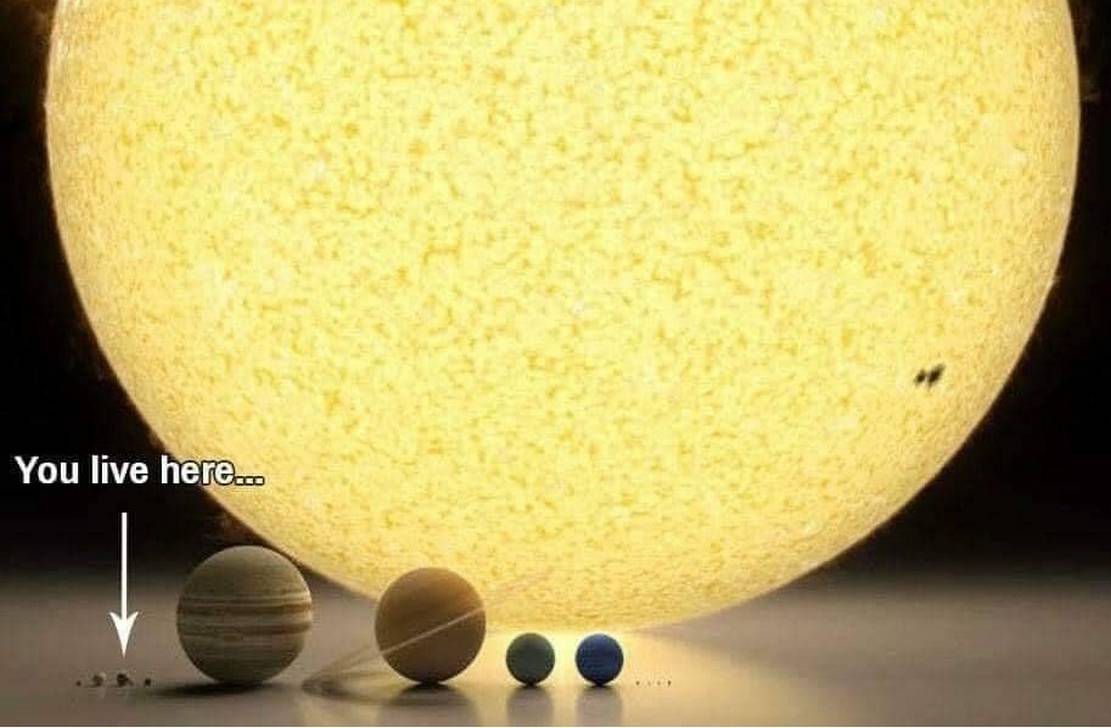
We find out that earth is not the center of the universe and from the 17th century that the Sun is not the center of our galaxy (Milky Way). Today we know that our galaxy is part of a growing universe with billions of galaxies, containing billions of Suns (Stars).

The images after the jump explain our place in the universe with a very easy way.

Sun’s Most Powerful Solar Flare of the Year

April 14, 2013

Sun's Most Powerful Solar Flare of the Year

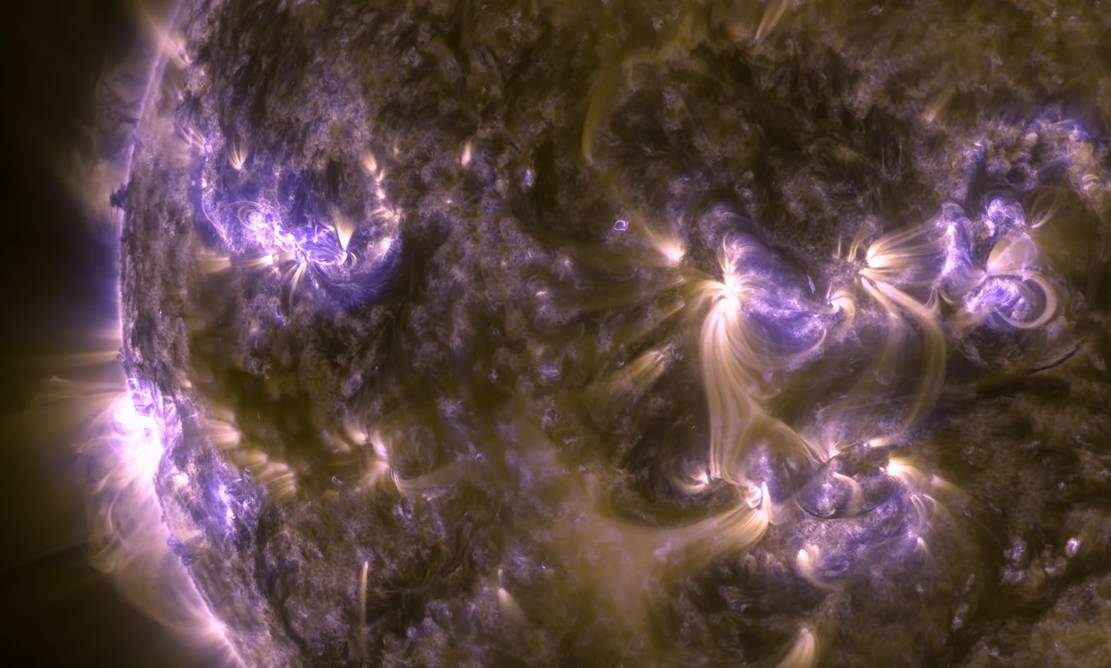
NASA’s Solar Dynamics Observatory captured this image of an M6.5 class flare at 3:16 am EDT on April 11, 2013. This image shows a combination of light in wavelengths of 131 and 171 Angstroms.    Image © NASA/SDO

Earth’s Twilight from Space

April 6, 2013

Earth's Twilight from ISS

In this image taken from Space Station, the shadow line or terminator is diffuse and shows the gradual transition to darkness we experience as twilight.    Image © ISS Expedition 2 Crew, Gateway to Astronaut Photography of Earth, NASA

What If The Sun Disappeared?

April 1, 2013

What If The Sun Disappeared

What would happen if the Sun disappeared? In the video you will find out how much we and all planets are dependent from the Sun and more!    Check out the video…     Image © NASA SDO

Horizon Rainbow in Paris

March 27, 2013

What is pictured above is actually just a common rainbow. It’s uncommon appearance is caused by the Sun being unusually high in the sky during the rainbow’s creation.  A rainbow caused because opposite the Sun, it’s raining.    Image © Bertrand Kulik