The best places to look for closest Earth-like Planets
NASA’s new Transiting Exoplanet Survey Satellite (TESS) will observe 400,000 stars across the whole sky to catch a glimpse of a planet transiting across the face


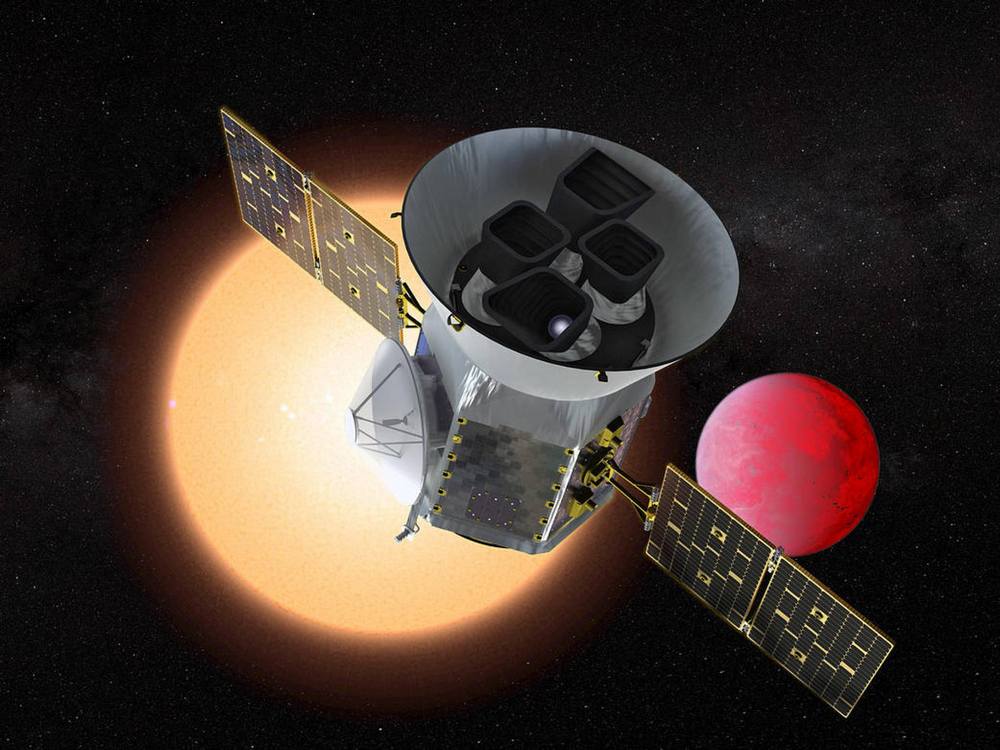
NASA’s new Transiting Exoplanet Survey Satellite (TESS) will observe 400,000 stars across the whole sky to catch a glimpse of a planet transiting across the face
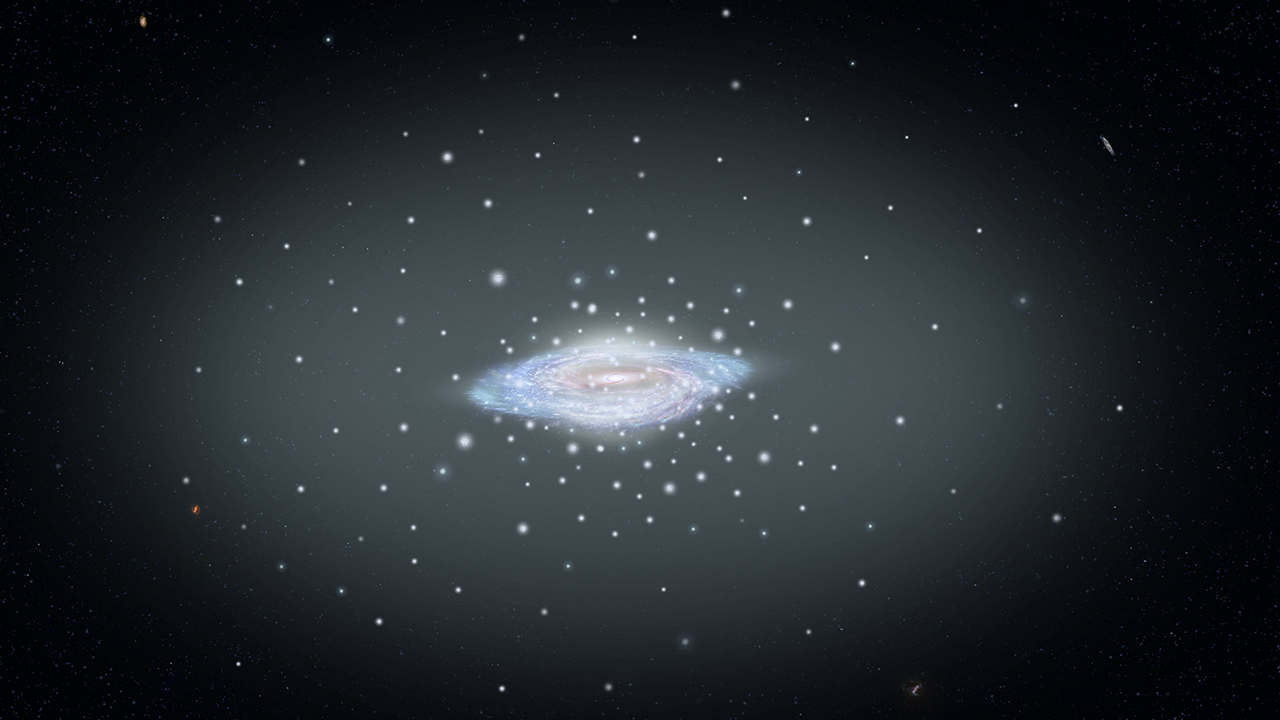
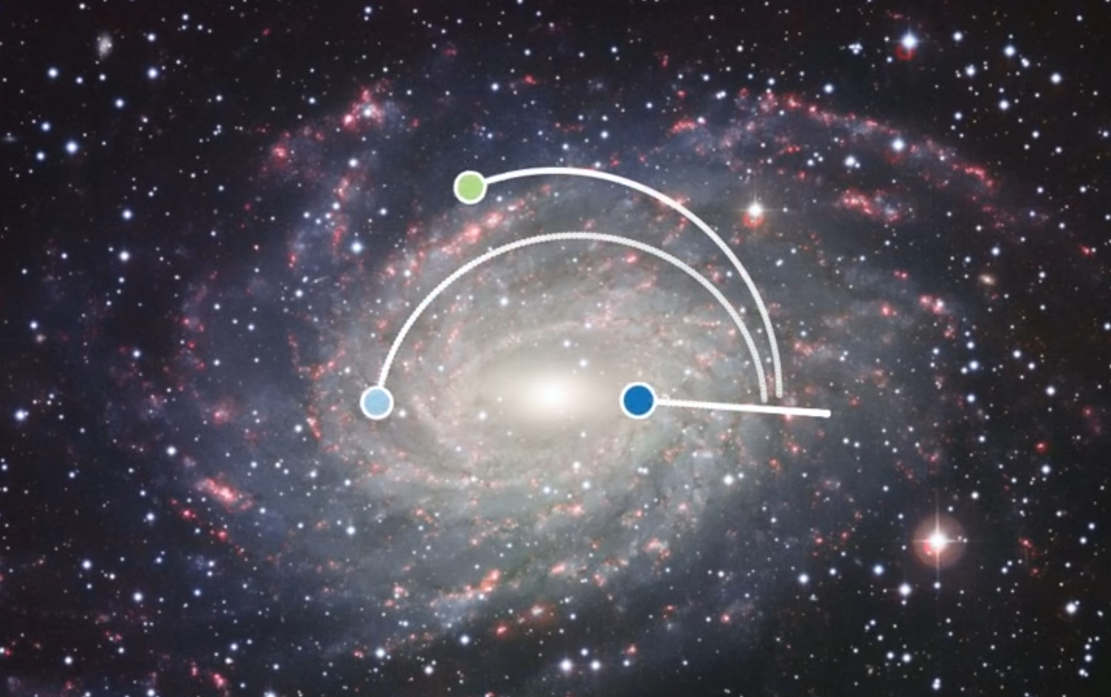
By studying the movements of orbiting clusters of stars, astronomers have measured the mass of the Milky Way.
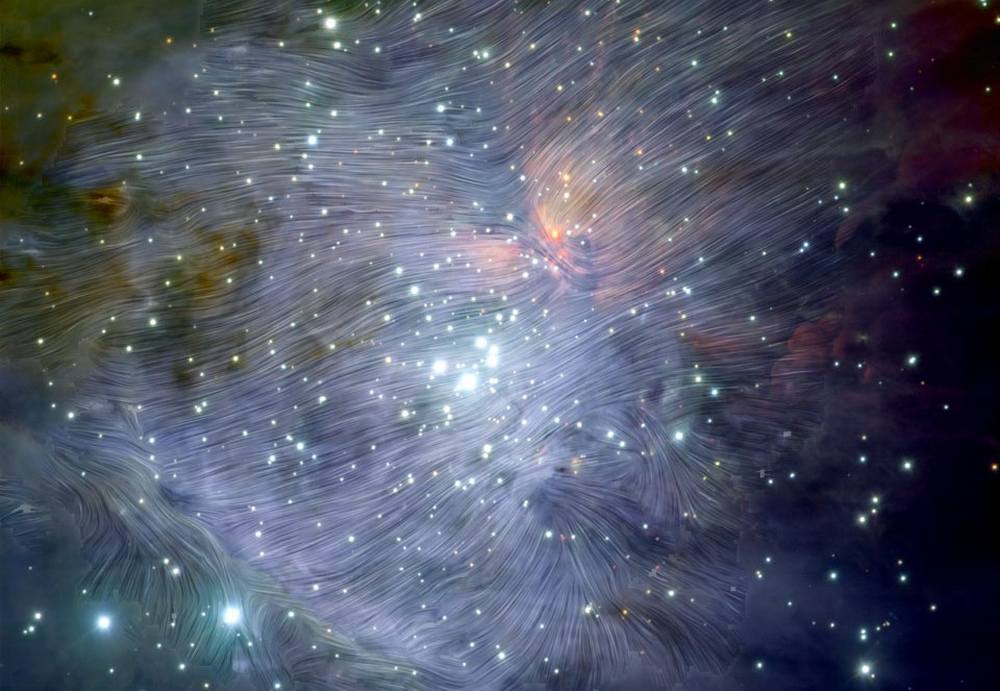
Recent analysis of Orion data from the HAWC+ instrument on the airborne SOFIA observatory indicate that, at times, magnetism affect how stars form.
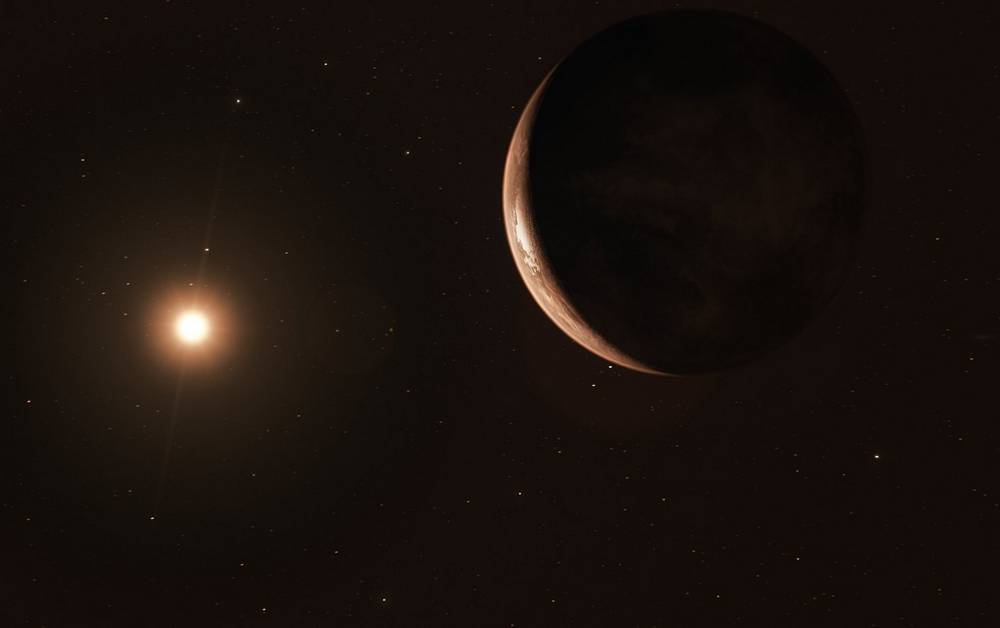
Scientists just discovered the second-closest exoplanet to Earth, orbiting Barnard’s star, one of the closest stars to the Sun.
Astronomers finds a 13.5 billion-year-old elusive star, with origins close to Big Bang.
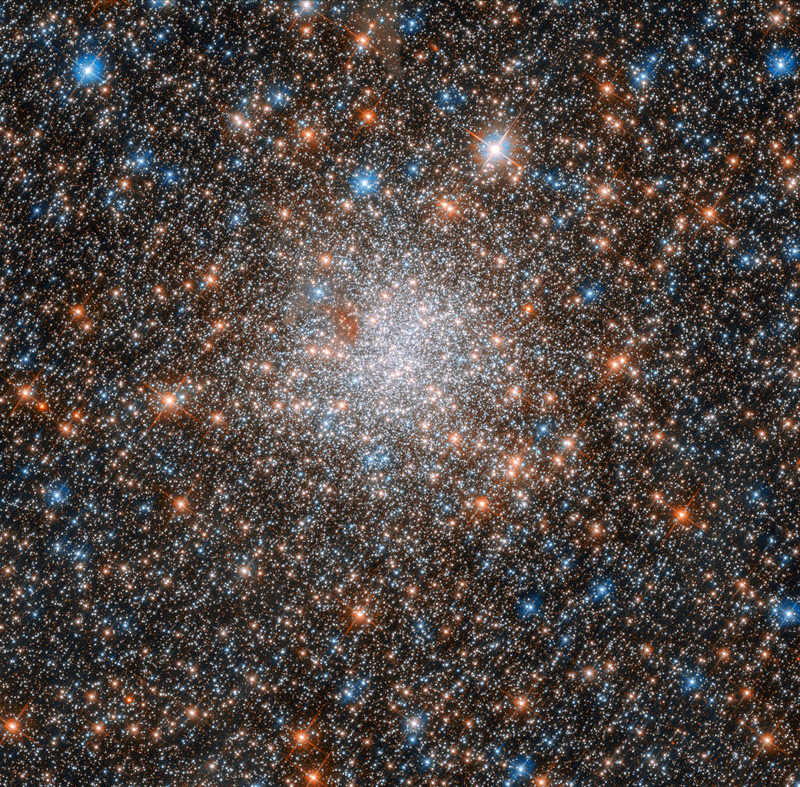
This glittering Star Cluster is the globular cluster NGC 1898, which lies toward the center of the Large Magellanic Cloud.
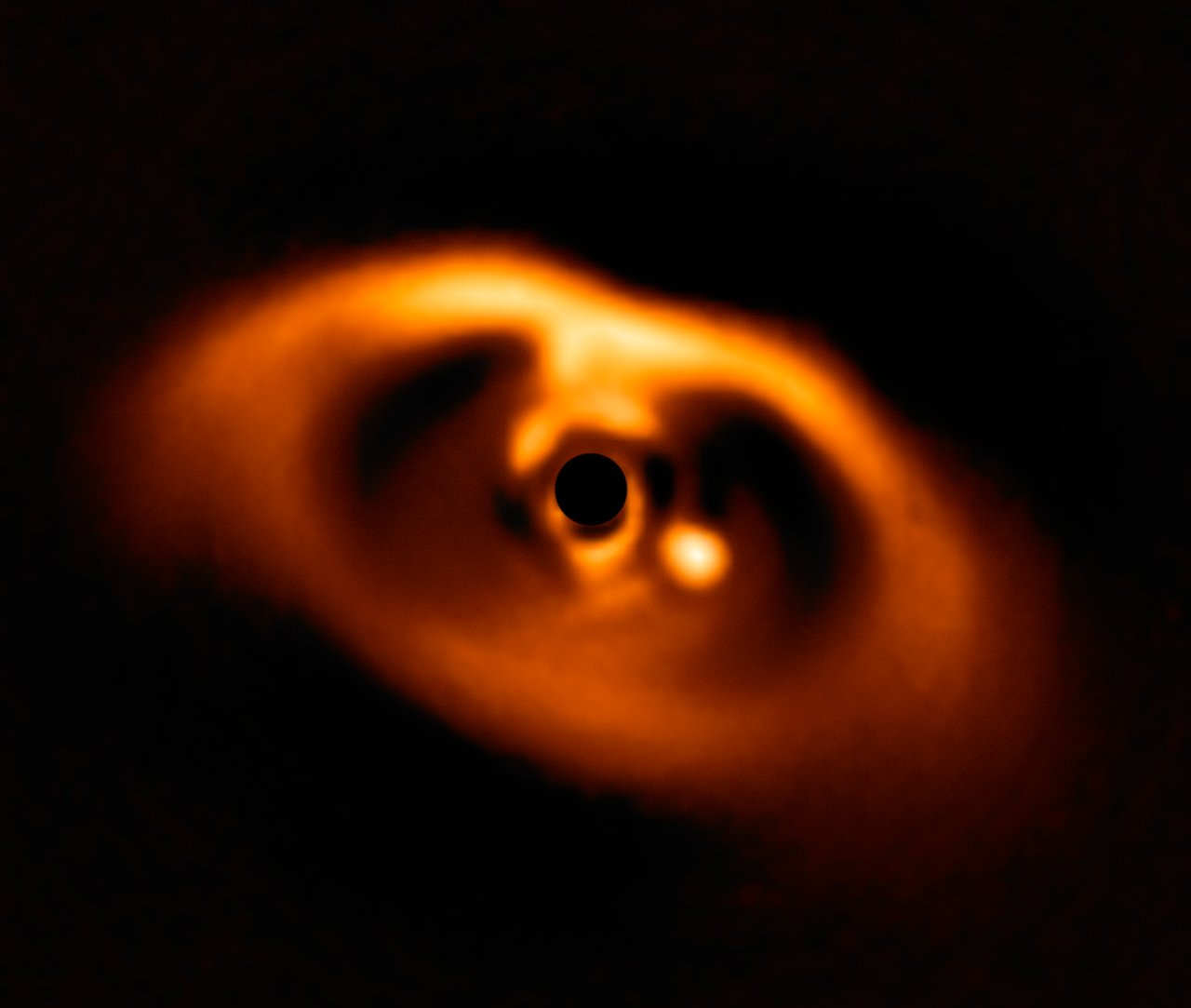
Astronomers have captured for the first time an image of a baby exoplanet, through the disc of dust that surrounds its star.
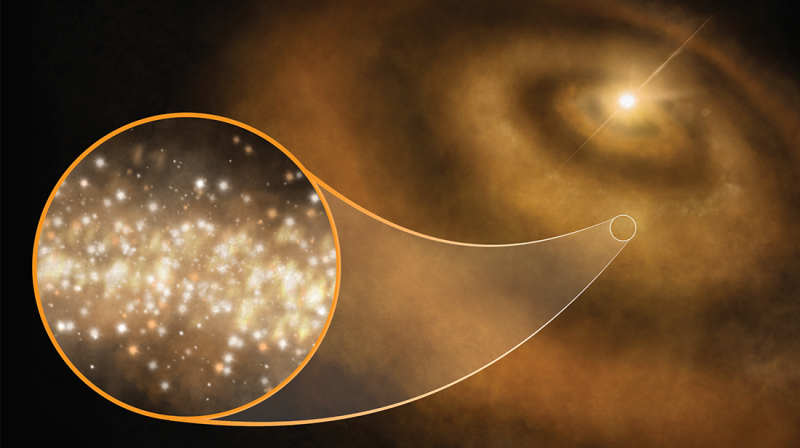
The mysterious ‘glow’ in the Milky Way that has baffled astronomers for decades, may caused by clouds filled with diamonds that surround distant stars.
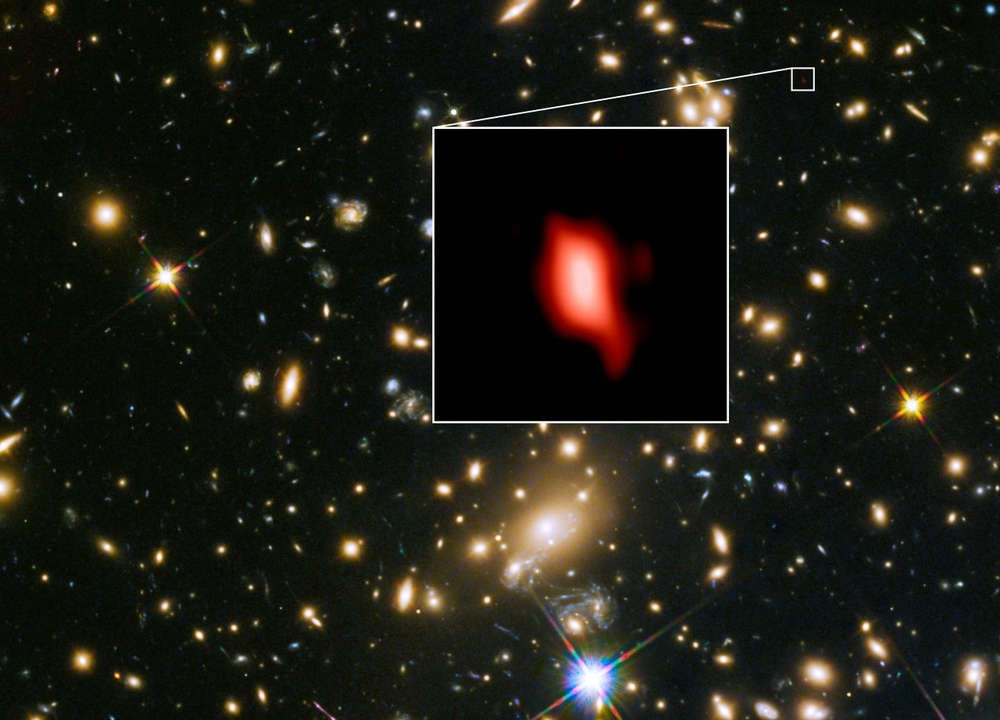
Astronomers discovered a record-breaking star forming, only 250 million years after the Big Bang.
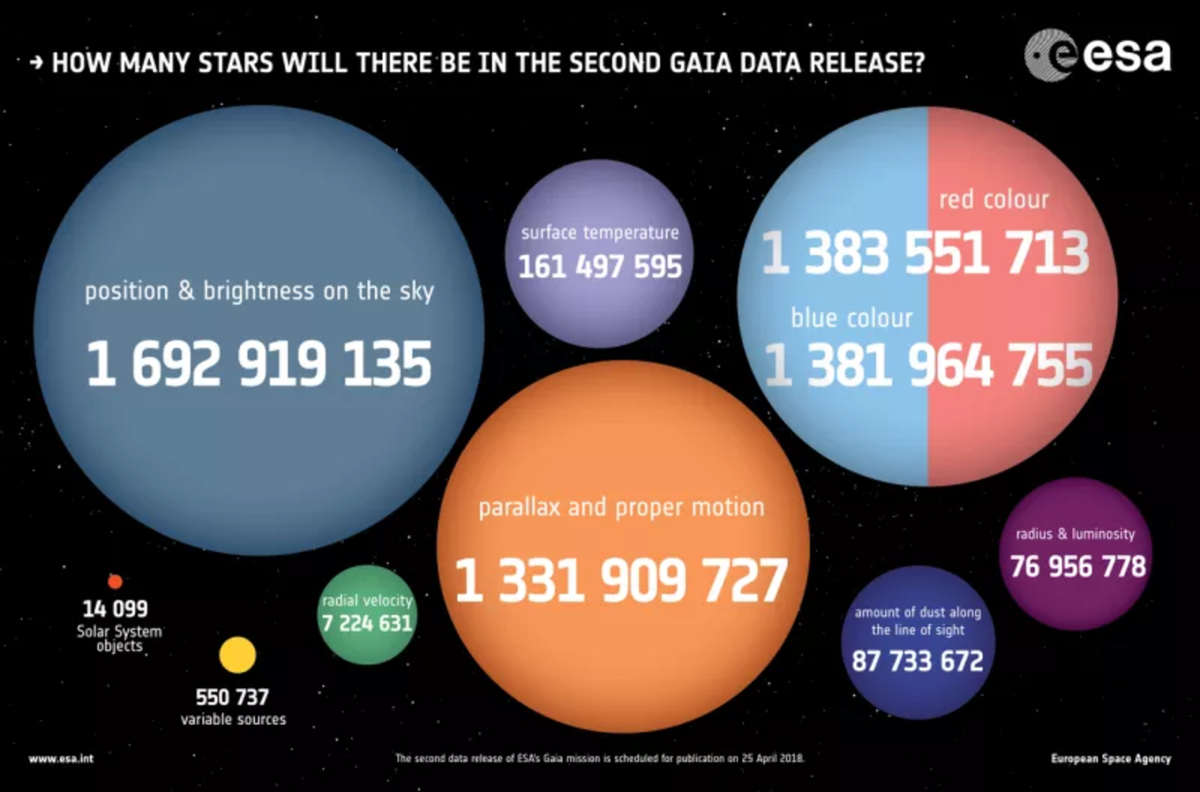
ESA’s Gaia mission has produced the richest star catalogue to date, including high-precision measurements of nearly 1.7 billion stars.