Is Civilization on the Brink of Collapse?
Rome became the first city in history to reach one million inhabitants and was a center of technological, legal, and economic progress.




Rome became the first city in history to reach one million inhabitants and was a center of technological, legal, and economic progress.
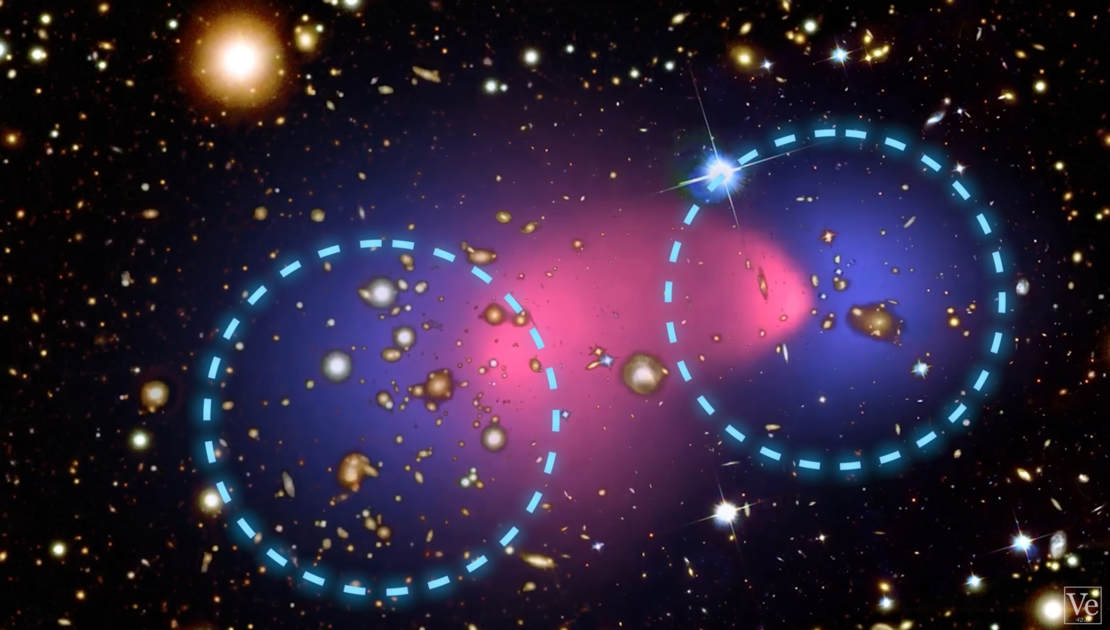
Astronomers think there should be 5 times as much dark matter as ordinary matter – a shadow universe that makes up most of its mass.
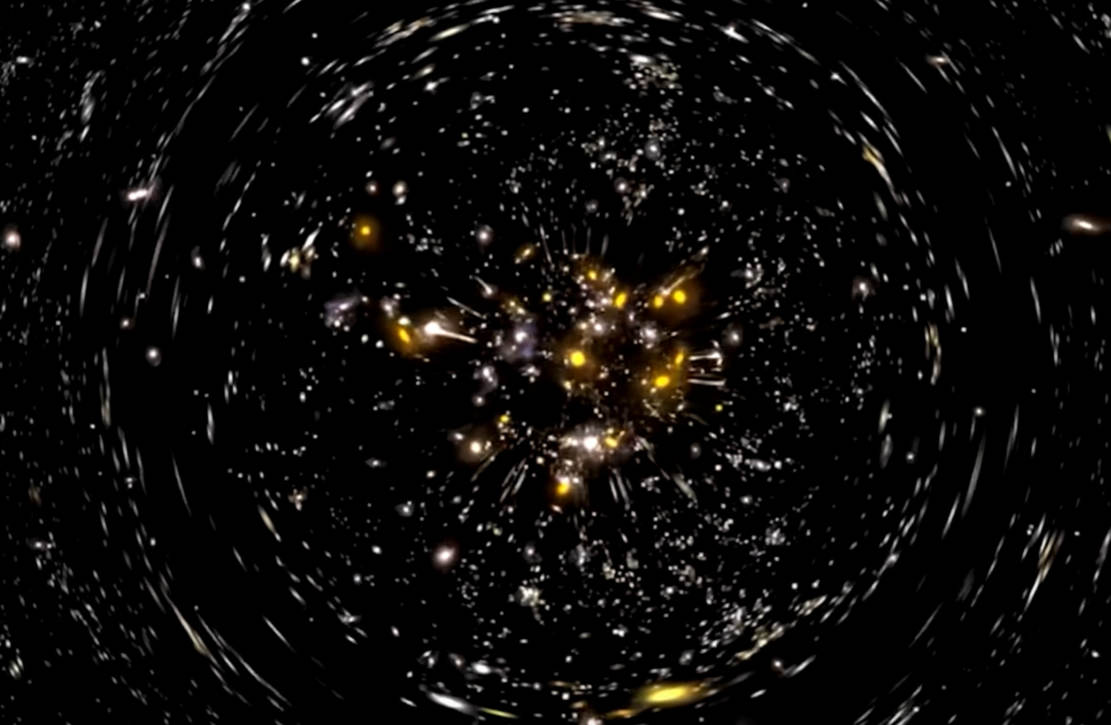
What if our understanding of gravity is just wrong? What if there is no such thing as dark matter?
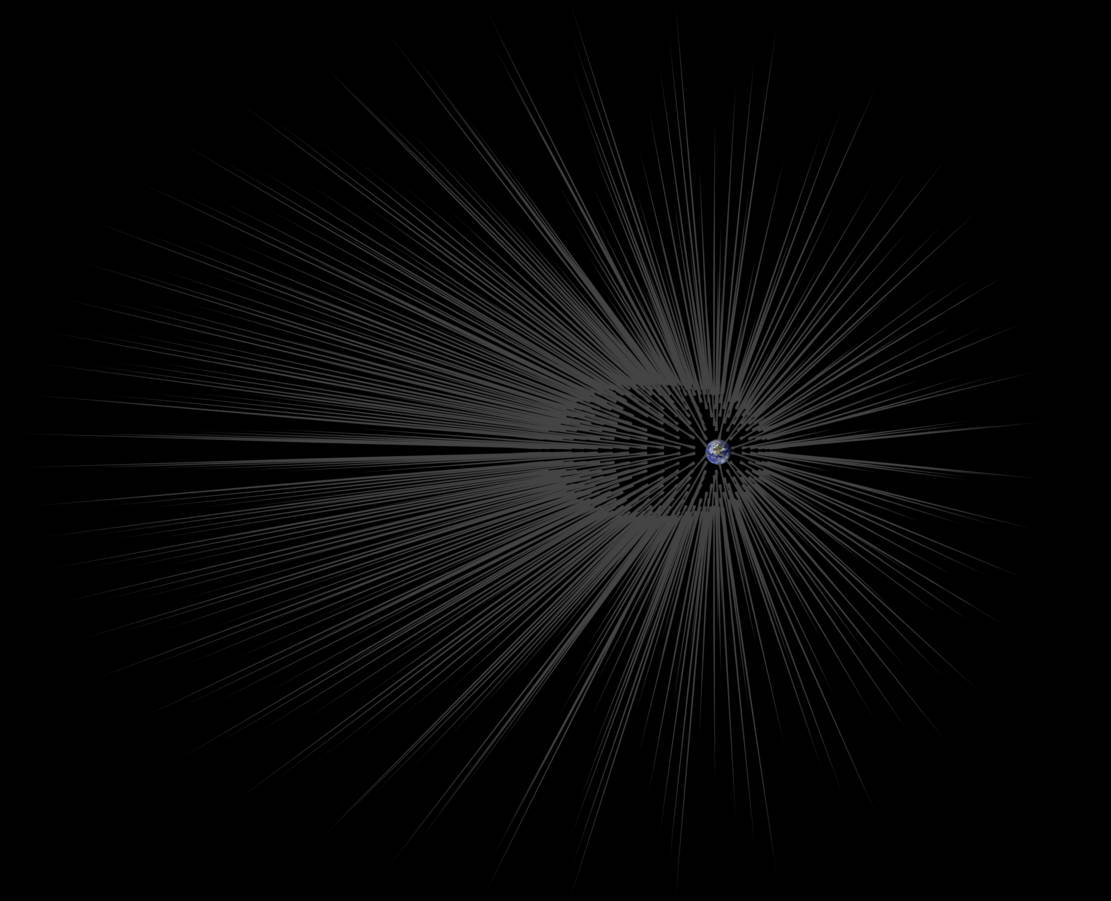
This illustration shows Earth surrounded by theoretical filaments of dark matter called “hairs.” The solar system might be a lot hairier than we thought.
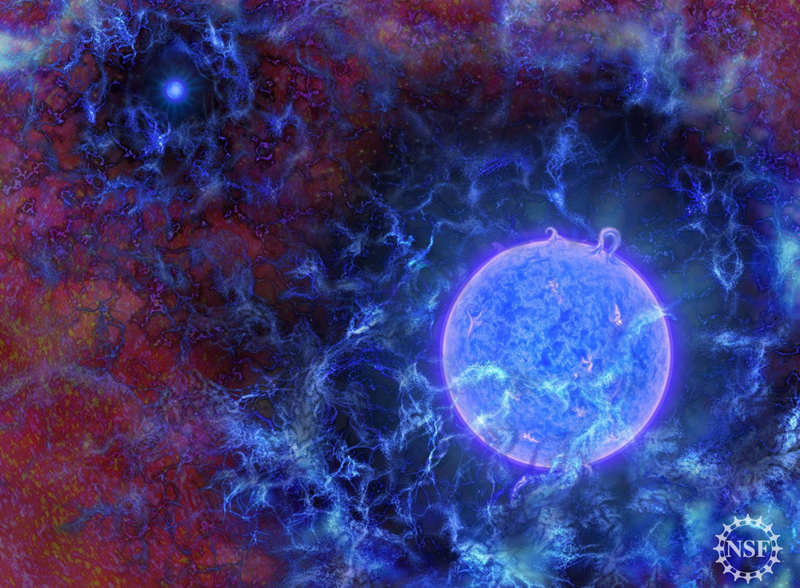
Astronomers just detected signals from the very first stars in our Universe.
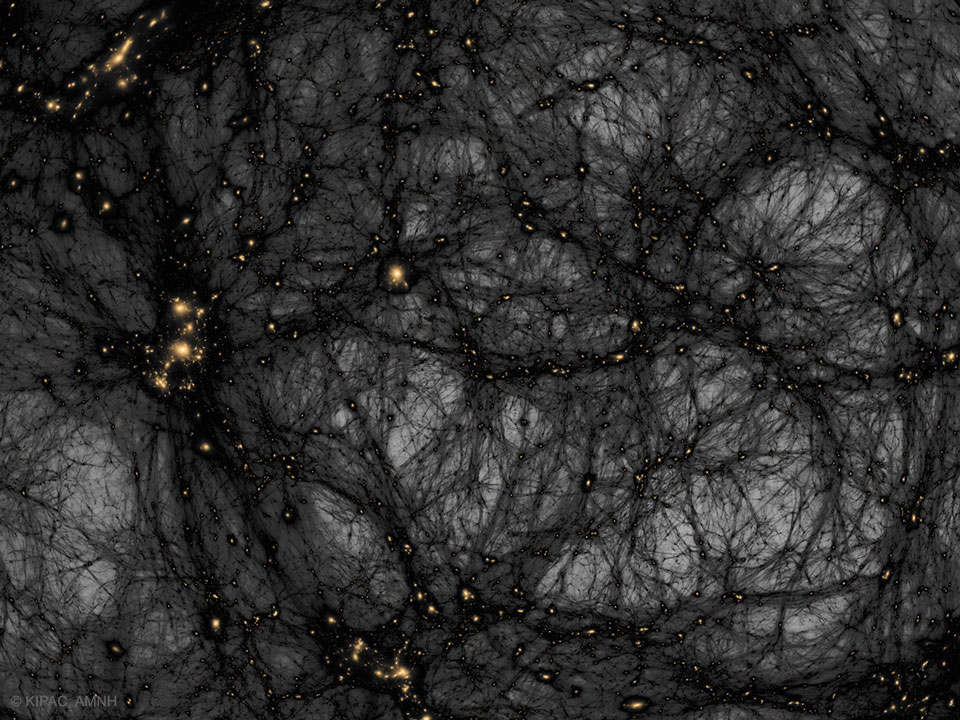
This featured image highlights one example of how pervasive dark matter might haunt our universe.
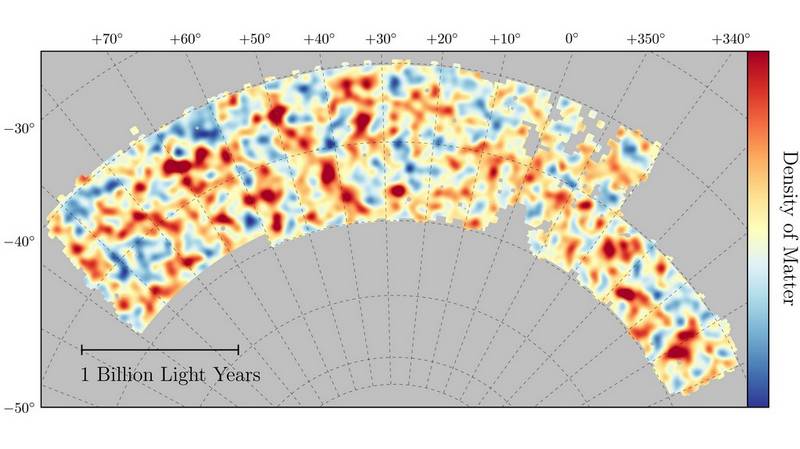
Dark Energy Survey reveals most accurate measurement of dark matter structure in the universe.
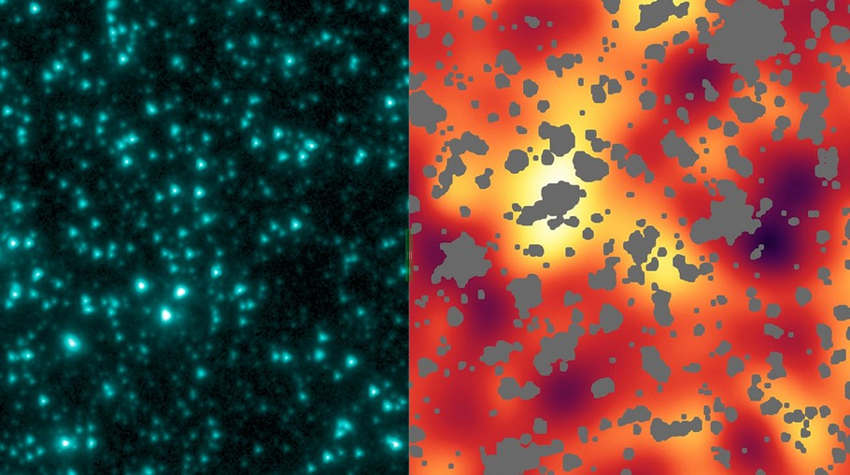
A NASA scientist just announced a promising new theory about a possible link between primordial black holes and dark matter.
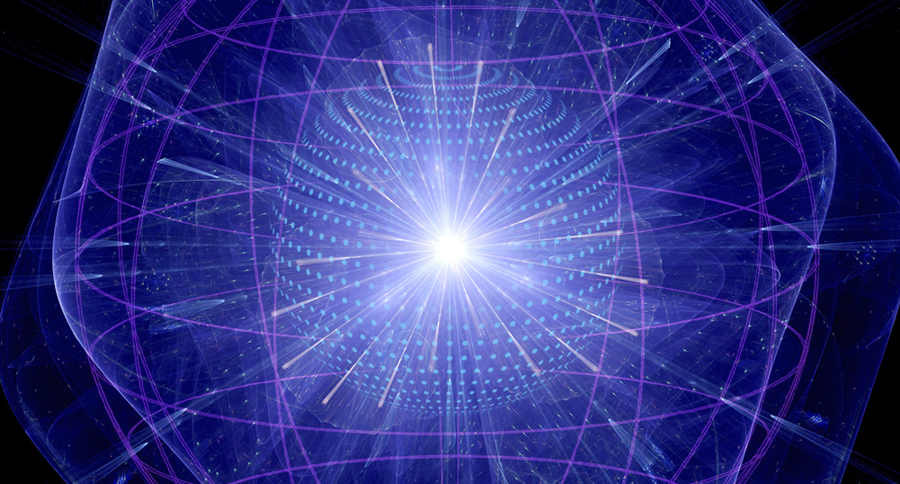
A new study proposes that an event in the early universe, could reduce the amount of dark matter in cosmos.
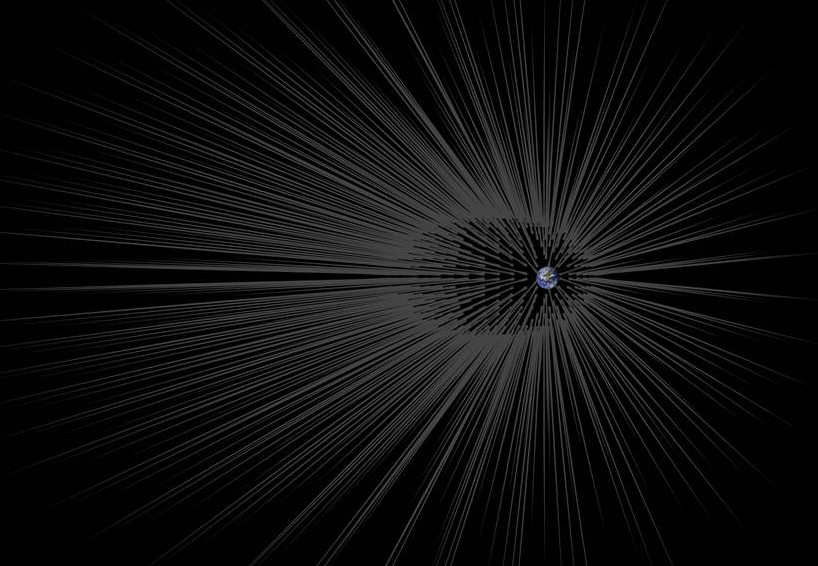
Scientists proposed that Earth might be surrounded by long filaments of dark matter, or “hairs.”